
The proposed ECO single currency offers West Africa’s largest economy an opportunity to strengthen regional integration and support the financial sovereignty of neighbouring francophone states
Regional leaders back a phased rollout of the ECO as part of efforts to strengthen economic integration and financial sovereignty in West Africa.
The Economic Community of West African States (ECOWAS) has reaffirmed its commitment to launching the long-awaited ECO single currency in 2027, marking what leaders described as a major milestone in the region’s drive toward greater economic integration and financial independence.
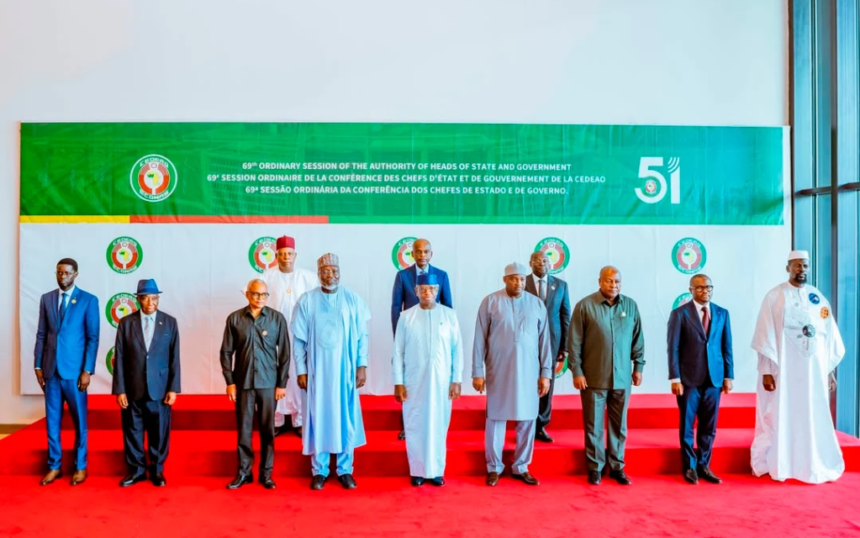
The decision was endorsed during the ECOWAS Summit of Heads of State and Government held in Freetown, Sierra Leone, on 19 July 2026.
According to the summit’s conclusions, the introduction of the ECO will follow a phased approach. Member states that meet the agreed economic convergence criteria will be the first to join the monetary union, while countries that are yet to satisfy the requirements will receive technical and institutional support to enable their gradual integration into the system.
Technical consultations are expected to continue between the governors of ECOWAS central banks to finalize the institutional and operational frameworks required for the successful implementation of the common currency.
Regional leaders described the initiative as an important step toward strengthening economic cooperation, promoting intra-African trade and enhancing West Africa’s financial sovereignty.
The proposal also highlights the need for West African countries to exercise greater control over their financial resources. It argues that the region’s monetary independence would be incomplete if a significant share of member states’ foreign exchange reserves continues to be managed by financial institutions outside Africa.
Instead, the proposal recommends that strategic foreign reserves should be held and managed by African institutions, allowing those resources to contribute directly to financing economic growth and development across the region.
To strengthen the credibility and stability of the new currency, the proposal further suggests that the ECO should be backed by a basket of major international currencies rather than being tied to a single foreign currency. Proponents believe such a framework would reduce exposure to fluctuations in any one currency while preserving the independence of West Africa’s monetary policy.
The proposal also identifies the ECO project as an opportunity for Nigeria, the region’s largest economy, to demonstrate economic leadership by supporting neighbouring francophone countries and helping to reduce their dependence on external monetary arrangements.
Supporters say the initiative aligns with the broader vision of “Africracy,” a governance philosophy that advocates strong African institutions, sovereign economic policies and development strategies designed primarily to serve the interests of African people.
They argue that lasting political independence cannot be achieved without economic and monetary sovereignty.
Beyond serving as a common medium of exchange, advocates believe the ECO should become a symbol of an Africa that controls its economic future, finances its own development and strengthens its position in the global economy.