Oyo State Governor and presidential candidate of the Allied Peoples Movement (APM), Seyi Makinde, has urged Nigerians to collect money offered by politicians during election campaigns but vote according to their conscience, insisting that accepting such financial inducements should not determine their choice at the ballot.
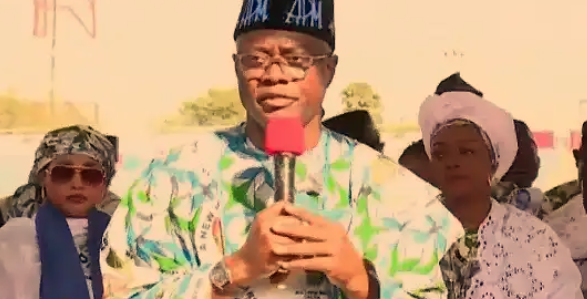
Makinde made the remarks on Saturday November 7 2026, during his presidential campaign rally in Bauchi State, where he encouraged supporters not to feel obligated to vote for politicians who offer them money, arguing that voters should remain loyal to their preferred candidates regardless of financial inducements.
“Don’t bother at all. When they bring money, it is your money, collect it, but vote your heart and I know your heart is with us and APM,” he told the crowd.
The statement adds an interesting dimension to the debate over vote-buying and electoral integrity, particularly as political parties intensify their campaigns ahead of the 2027 general election.
While vote-buying remains a recurring concern in Nigeria’s electoral process, Makinde’s advice appeared to encourage voters to separate the financial benefits offered during campaigns from their ultimate decisions at the polls.
The governor, who has adopted the slogan Reset Nigeria for his presidential ambition, also criticised what he described as a lack of sincerity among political leaders, making a case for a government that would communicate honestly with citizens and demonstrate greater commitment to addressing their concerns.
Also speaking at the rally, the party’s vice-presidential candidate, Lawal Daura, said the growing influence of lies, deceit and hypocrisy in Nigerian politics was undermining public confidence in democracy.
Daura said the APM’s Reset Nigeria agenda was designed to confront these challenges by promoting honesty and accountability, stressing that elected officials must demonstrate sincerity in the discharge of their responsibilities.
However, beyond the campaign promises and political endorsements, Makinde’s advice on collecting politicians’ money while voting according to one’s conscience raises a broader question about the culture of electoral inducement in Nigeria: whether voters can truly separate immediate financial benefits from the political choices that will shape their future.
Cha