Venezuela’s reported consideration of leaving the Organization of the Petroleum Exporting Countries (OPEC) is more than an internal decision by an oil-producing nation. It could become another significant development in the increasingly complicated relationship between Venezuela, the United States and the global oil market.
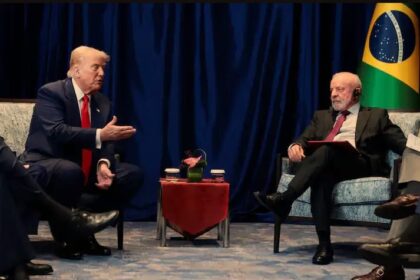
US President Donald Trump, responding on Monday to reports that Venezuela was weighing an exit from OPEC, said the decision was “up to them.” On the surface, the statement suggests that Washington is leaving the matter to Caracas. However, the wider circumstances surrounding Venezuela’s oil industry make the issue far more complicated.
Venezuela has been an OPEC member for more than 60 years, and its participation in the organisation has historically given it a voice in decisions affecting global crude supply. Any withdrawal would therefore have implications beyond Venezuela, particularly at a time when oil markets remain sensitive to geopolitical developments and changes in production.
The development also comes against the backdrop of growing US involvement in Venezuela’s petroleum sector. Washington has maintained strict oversight of the country’s oil industry since US forces captured President Nicolas Maduro in January. The subsequent oil supply agreement between the two countries, involving global trading houses, has already helped increase Venezuelan crude exports to the United States.
The stakes rose further on Friday when Trump announced a larger arrangement under which the United States would seek to lock in 17 major Venezuelan oilfields. The fields reportedly contain about 64 billion barrels of proved crude reserves—around one-fifth of Venezuela’s total—and could eventually provide as much as 1.5 million barrels per day to the US market.
Trump has also said US oil giants Exxon Mobil and Chevron are among companies committed to investing in Venezuela, although he did not provide details.
These developments raise legitimate questions about the future of Venezuela’s oil sovereignty. While investment can bring much-needed capital, technology and production capacity, Venezuela must ensure that the exploitation of its vast resources serves the long-term interests of its people rather than becoming simply an instrument of geopolitical influence.
For OPEC, a Venezuelan departure would also be significant. The organisation has long relied on cooperation among major oil producers to influence supply and help stabilise the market. Losing a country with some of the world’s largest proven crude reserves could further alter the balance within the group.
At the same time, Venezuela must carefully weigh the consequences of leaving OPEC. Membership provides not only a platform for cooperation but also a measure of influence in discussions about global oil production. Walking away could reduce Caracas’ voice at precisely the moment when its oil industry is attracting renewed international attention.
Trump’s “it’s up to them” response may therefore be technically straightforward, but the reality is considerably more complex. Venezuela’s decision will affect not only its relationship with OPEC but also its economic independence, its dealings with Washington and potentially the global oil market.
The priority should be transparency, national interest and stability. Venezuela has enormous petroleum wealth, but oil should be a means of rebuilding its economy and improving the welfare of its citizens—not merely a bargaining chip in international power politics. Whatever decision Caracas ultimately takes on OPEC membership, it must ensure that Venezuela’s natural resources remain an asset for its people and its future.
Venezuela, OPEC and the Dangerous Politics of Oil.



Leave a Comment