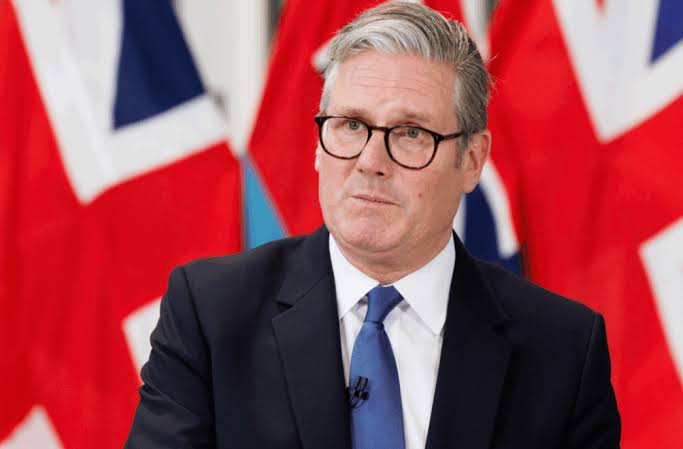
Keir Starmer’s decision to quit the UK Parliament marks the final chapter of a political career that began with remarkable promise but ended amid declining public confidence and growing pressure within his own party. His departure from domestic politics should prompt a sober reflection on the demands of modern political leadership.
Starmer’s rise was initially seen as a major turning point for Britain’s Labour Party. His landslide victory in the 2024 general election ended 14 years of Conservative rule and gave Labour a powerful mandate to govern. Yet electoral success alone could not shield his administration from the difficult realities of governing.
Policy reversals, spending cuts, political controversies and growing pressure from the right exposed weaknesses in his leadership. The rise of Reform UK also demonstrated how quickly public frustration can reshape the political landscape. Most significantly, the loss of confidence among Labour lawmakers ultimately brought his premiership to an early end.
Starmer’s decision to leave Parliament rather than remain until the next general election is therefore significant. It signals a desire to move beyond the political battles that defined his final years in office and concentrate on international affairs, particularly defence, security, trade and technology.
His record in foreign affairs may indeed prove to be one of the more durable aspects of his legacy. His engagement with European leaders and role in strengthening cooperation over Ukraine demonstrated the importance of diplomacy at a time when Britain continues to redefine its position after Brexit.
However, political leaders are ultimately judged not only by their international relationships but by their ability to respond to the concerns of citizens at home. Economic pressures, public services, living costs and political trust remain central to voters’ expectations.
Starmer’s departure should therefore be viewed neither simply as a personal setback nor as the end of his political relevance. It is a reminder that political authority must continually be earned. A government that wins a historic mandate can quickly lose public and parliamentary support if it fails to translate its promises into meaningful improvements in people’s lives.
As Labour begins another chapter under new leadership, Britain’s political class should take note: electoral victories provide an opportunity to govern, but only effective, consistent and accountable leadership can sustain it.