Iran’s call for citizens to reduce petrol consumption is a stark reminder that the consequences of the conflict around the Strait of Hormuz are extending far beyond geopolitics.
Parliament Speaker Mohammad Bagher Ghalibaf’s appeal comes as Iran struggles to import enough fuel to meet domestic demand amid a US naval blockade and mounting economic pressure.
Ghalibaf acknowledged that high petrol consumption is not entirely the fault of ordinary Iranians, pointing to weaknesses within the country’s industrial system. Nevertheless, he urged citizens to conserve fuel, arguing that responsible consumption is necessary to help the country manage with its domestic production.
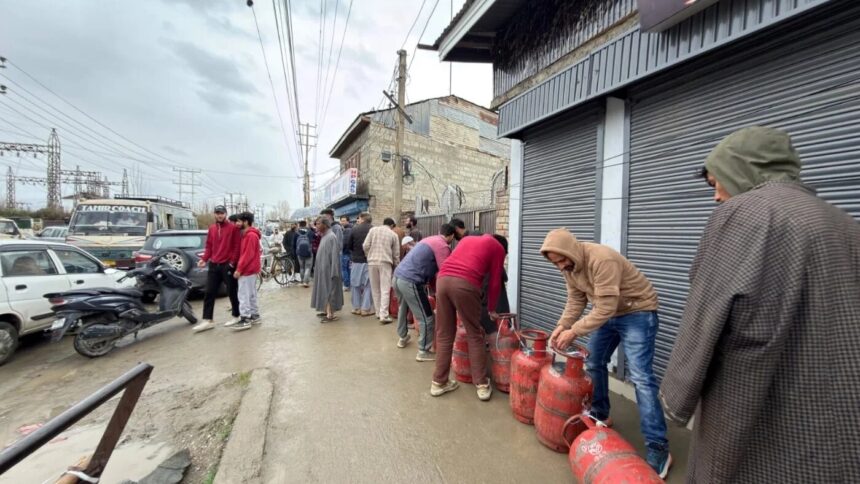
The appeal comes against a troubling backdrop. Long queues have reportedly formed at petrol stations in Tehran, while Vice President Mohammad Jafar Ghaempanah has acknowledged that domestic petrol production is insufficient and that the blockade has made imports difficult. The government’s consideration of changes to petrol quotas further underlines the seriousness of the situation.
The crisis illustrates how disruption around the Strait of Hormuz can quickly translate into pressure on ordinary households. While the waterway is central to global oil and gas supplies, its closure and the subsequent confrontation have also exposed Iran to shortages of essential commodities and increased economic vulnerability.
The situation is particularly concerning because Iranians are already dealing with soaring inflation and weakened economic prospects. Ghalibaf’s announcement that the government and parliament plan to expand electronic food subsidies for the most economically pressured households is therefore a necessary acknowledgement that the burden of the crisis cannot simply be transferred to citizens.
Iranian authorities must ensure that calls for conservation do not become an excuse for shifting the cost of the conflict onto ordinary people. Fuel efficiency and responsible consumption may help in the short term, but they cannot substitute for effective economic management, reliable fuel supplies and a serious effort to reduce tensions.
The recent history of economic protests in Iran also offers a warning. Demonstrations that began over economic grievances last December developed into a wider anti-government movement before being quelled in January. With public frustration already high, further shortages, inflation and declining living standards could deepen dissatisfaction.
Ghalibaf is right that the wellbeing of the population should be a priority. But that principle must go beyond appeals for sacrifice. If Iran expects citizens to conserve petrol in the national interest, the government must equally demonstrate that it is conserving resources, protecting vulnerable households and pursuing policies capable of easing the economic pressure created by the conflict.
The petrol queues in Tehran should therefore be viewed not merely as a fuel-management problem, but as a warning about the wider human cost of the Hormuz crisis. When geopolitical confrontation begins to determine whether families can access basic necessities, the urgency of finding a diplomatic path out of the crisis becomes even greater.
Iran’s Petrol Appeal Shows the Human Cost of the Hormuz Crisis.


Leave a Comment