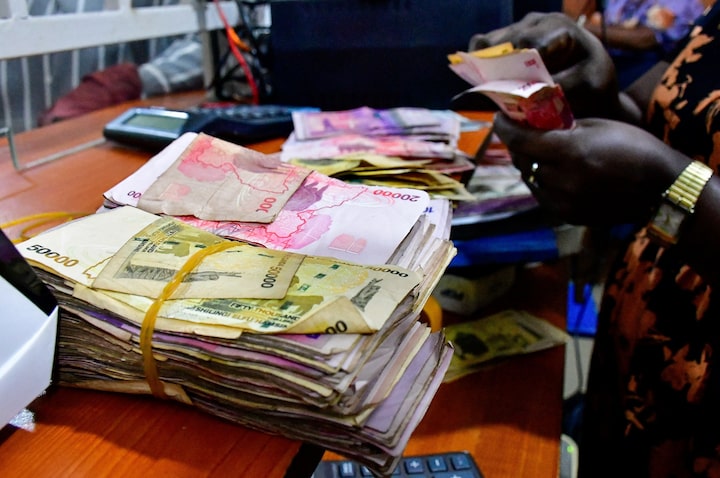
The Nigerian naira and Ugandan shilling are showing signs of recovery against the US dollar, with both currencies expected to strengthen further in the coming week, while Ghana’s cedi and Kenya’s shilling are projected to remain relatively stable.
However, Zambia’s kwacha faces renewed depreciation risks.
The contrasting performances underscore the different monetary and economic pressures shaping Africa’s foreign exchange markets, as countries grapple with dollar demand, liquidity constraints, import costs and efforts to stabilise their currencies.
According to a Reuters survey of foreign exchange traders published on Thursday November 5 2026, improving global risk sentiment, tighter monetary conditions and increased foreign exchange liquidity are among the factors supporting the outlook for some African currencies.
In Nigeria, the naira is expected to appreciate further, buoyed by improved investor confidence following developments surrounding the United States midterm elections.
The local currency was quoted at ₦1,346 to the dollar on the official market on Thursday, compared with ₦1,349 recorded a week earlier. However, it traded at approximately ₦1,400 per dollar in the parallel market, highlighting the persistent gap between the official and unofficial exchange rates.
A trader attributed the naira’s improving outlook to increased appetite for riskier assets in global financial markets, suggesting that the improved sentiment could translate into positive movements in Nigeria’s foreign exchange market.
Uganda’s shilling is also gaining ground, supported by expectations that the country’s central bank could raise interest rates again at its monetary policy meeting scheduled for November 9.
Commercial banks quoted the currency at 4,040–4,050 shillings per dollar, compared with 4,345–4,355 recorded the previous Thursday, indicating a significant recovery.
The anticipated rate adjustment comes less than a month after the central bank introduced an emergency interest rate increase in response to the shilling’s sharp depreciation.
Although the previous intervention initially failed to reverse the currency’s decline, traders said expectations of another, potentially smaller increase, combined with tight liquidity conditions, were strengthening market sentiment.
In Ghana, the cedi is expected to trade within a narrow range, supported by improved liquidity in the interbank market and declining foreign exchange demand from businesses approaching the festive season.
Data from LSEG showed the currency trading at 11.67 per dollar on Thursday, compared with 11.63 a week earlier.
Market participants expect the balance between dollar supply and demand to prevent significant fluctuations in the exchange rate in the coming days.
Kenya’s shilling is similarly projected to remain stable, with commercial banks quoting it at 129.85–130.05 per dollar, compared with 129.90–130.00 a week earlier.
Meanwhile, Zambia’s kwacha faces a less favourable outlook as sustained demand for foreign currency to finance energy and agricultural imports continues to weigh on the local unit.
Commercial banks quoted the currency at 20.62 per dollar on Thursday, compared with 20.55 a week earlier, reflecting a marginal depreciation.