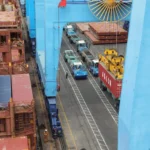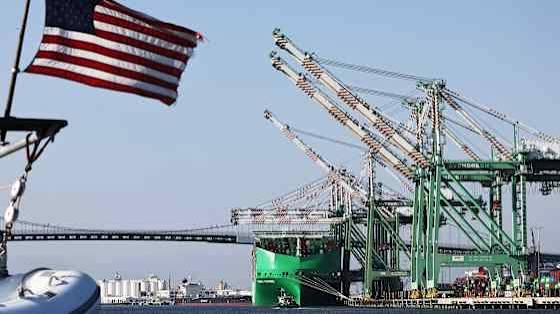
The administration of US President Donald Trump has accused more than 40 countries of helping China circumvent American tariffs illegally by facilitating the shipment of Chinese-made goods into the United States under misleading or false labels.
According to a report released by the White House on Thursday, the countries are allegedly part of what the administration described as a “shadow logistics network” that enables Chinese products to reach the US market while avoiding higher import duties.
The Office of Trade and Manufacturing Policy identified the European Union, Mexico, Canada, India, Japan and South Korea among China’s major alleged facilitators in what it termed the “Great Transshipment Scam.”
It also pointed to several Southeast Asian nations, including Indonesia, Thailand, Malaysia and Cambodia, saying they play significant roles in the movement of Chinese goods through third countries before entering the American market.
The report said US industries most affected by the alleged transshipment activities include electrical equipment, integrated circuits, aluminium products and motor components.
“Every dollar lost to this Great Transshipment Scam is a dollar stolen from American workers, manufacturers, and taxpayers,” the trade policy office, led by Trump appointee Peter Navarro, said in the report.
China’s embassy in Washington had not responded to requests for comment sent outside normal working hours, while the countries named in the report had yet to publicly address the allegations.
The White House also warned countries involved in the alleged practice that they were being “put on notice,” adding that US border authorities are increasingly using artificial intelligence to analyse shipment records and other data to strengthen efforts against tariff evasion.
Trump has pursued an increasingly protectionist trade agenda since returning to the White House in January last year, introducing a series of measures aimed at protecting American industries and reshaping the country’s trading relationships.
Most recently, his administration announced tariffs ranging from 10 to 12.5 percent on imports from dozens of countries accused of failing to adequately address the use of forced labour.
However, the tariff measures are facing legal challenges from a coalition of 25 Democratic-led states, including New York, California and Colorado. The states argue that the new duties are an attempt to revive Trump’s broader “Liberation Day” tariffs, which were struck down by the US Supreme Court in February.
Amitendu Palit, a trade expert and professor at the National University of Singapore, said the latest White House report could be part of a wider strategy to pressure other countries into offering greater access to their markets for American products.
Palit told Al Jazeera that the rejection of the “Liberation Day” tariffs had dealt a significant blow to the Trump administration, including the financial burden of tariff refunds and the impact on its credibility.