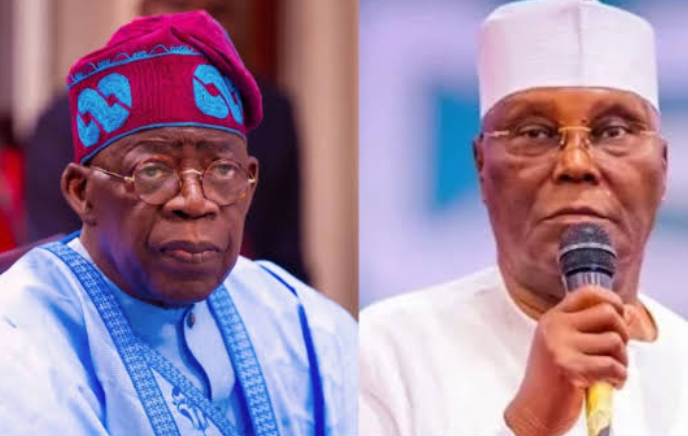
Presidential candidate of the African Democratic Congress (ADC), Atiku Abubakar, has criticized President Bola Tinubu, asking him to stop blaming his predecessors for the country’s refinery challenges and account for the resources committed to the facilities under his administration.
Atiku said it was an act of political escapism for Tinubu to focus on inherited refinery liabilities after his administration financed the facilities’ rehabilitation and presented their return to operation as a major achievement of the Renewed Hope Agenda.
In a statement issued by his Senior Special Assistant on Public Communication, Phrank Shaibu, Atiku said financial records from the Nigerian National Petroleum Company (NNPC) showed that the combined obligations of the Port Harcourt, Warri and Kaduna refineries rose from about ₦4.52 trillion at the end of 2023 to ₦8.67 trillion by the end of 2024.
He said the increase of approximately ₦4.15 trillion in a single year raised serious questions about the management and performance of the refineries under the Tinubu administration.
Atiku recalled that in November 2024, the Federal Government and NNPC announced that the Port Harcourt refinery had resumed operations and was functioning at 70 per cent capacity.
He argued that the administration could not claim credit for the refinery’s return when it appeared successful and subsequently attribute its failures to previous governments.
According to him, the contradiction between the government’s earlier announcements and subsequent admissions about the refineries’ financial losses demanded greater accountability from the administration.
Atiku said Nigerians deserved explanations on how the additional trillions of naira accumulated as refinery obligations were spent and what tangible benefits the country received in return.
He also questioned the whereabouts of the refined products, savings and increased domestic refining capacity that Nigerians were promised following the rehabilitation of the facilities.
The former vice president said the issue was particularly troubling because Nigerians continued to pay high prices for petrol while significant public resources remained tied up in refineries that had failed to provide sustainable refining capacity.
He argued that the resources committed to the refineries could have been deployed to address critical challenges in education, healthcare, roads, electricity and access to potable water.
Atiku accused the administration of celebrating projects before they delivered meaningful results and subsequently shifting responsibility to previous governments when expectations were not met.
He maintained that after more than three years in office, the Tinubu administration could no longer present all its challenges as inherited problems, arguing that it had created liabilities of its own.
The ADC presidential candidate described the refinery situation as a major failure of public stewardship, insisting that Nigerians were entitled to know how trillions of naira had been spent without a corresponding improvement in domestic refining capacity.
Atiku said the controversy over the refineries had become symbolic of what he described as the wider shortcomings of the Tinubu administration, characterised by substantial expenditure and ambitious announcements without sufficient results for Nigerians.
He warned that Nigeria could not afford to continue spending public resources on projects that fail to deliver and urged President Tinubu to take responsibility for the performance of his administration rather than continually blaming his predecessors.