China and the United States have agreed to reduce tariffs on about $60 billion worth of goods, in a fresh attempt to ease trade tensions between the world’s two largest economies.
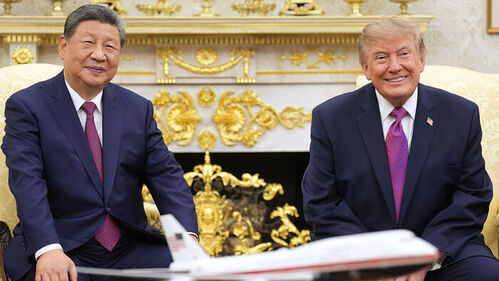
Under the “30-for-30” framework, each country will identify about $30 billion worth of non-sensitive imports for more favourable tariff treatment. The arrangement followed the recent meeting between Chinese President Xi Jinping and US President Donald Trump in Washington.
China’s list covers 1,619 categories of US goods, including corn, wheat, sorghum, meat, dairy products, vegetable oils, seafood, timber, cosmetics and medical equipment. US coal is also included.
Washington, meanwhile, will reduce tariffs on about $30 billion of Chinese imports, covering household appliances, toys, tableware, blankets, baby products and holiday decorations.
More than 90 per cent of the products covered are expected to move to most-favoured-nation tariff rates, effectively removing the additional country-specific duties imposed during the trade dispute. Both sides are expected to implement the reductions after completing their respective domestic legal procedures.
But the agreement leaves some of the most politically and economically sensitive commodities outside the arrangement. US soybeans, in particular, were excluded from China’s tariff-reduction list, meaning the existing 10 per cent tariff remains.
The omission is significant because agricultural trade has become an important part of the negotiations. China has already resumed large-scale purchases of US soybeans, with state-owned companies reportedly buying more than 12 million metric tonnes toward a broader commitment of 25 million tonnes annually.
Reuters reported that keeping soybeans outside the tariff agreement could leave Beijing with additional leverage in future negotiations.
China also agreed to import 10 million metric tonnes of US coal annually in 2027 and 2028, according to the White House. The two countries will establish an agricultural working group to address market access and regulatory issues.
The latest arrangement also extends the broader US-China trade truce until January 10, giving both governments additional time to negotiate outstanding economic issues.
However, the tariff reductions do not cover strategic sectors such as semiconductors, electric vehicles and batteries, which remain central to the wider US-China economic rivalry. Analysts cited by the Associated Press said the agreement could support bilateral trade though its overall economic impact may be limited because it covers only a portion of the two countries’ enormous trade relationship.
For American consumers, lower tariffs on Chinese household products and toys could reduce some import costs, while US farmers and producers stand to gain from improved access to the Chinese market. China, on the other hand, could benefit from easier access for its consumer goods in the US market.
The agreement therefore represents a shift from outright tariff escalation toward managed negotiations, but major disagreements over strategic industries and the broader trade imbalance remain unresolved. The coming months will show whether the tariff reductions translate into sustained increases in trade or merely provide temporary breathing space for the two economies.