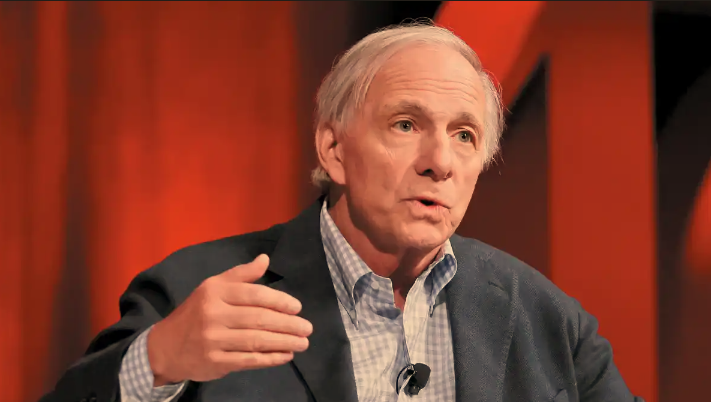
Bridgewater Associates founder Ray Dalio has warned that the United States could face a debt crisis within the next three years, citing widening fiscal deficits and rising interest costs as growing threats to financial stability.
Dalio made the prediction in a LinkedIn post on August 21, saying a US debt crisis could emerge “within three years”, while allowing for a margin of error of about two years.
The veteran hedge fund manager estimates that the US government will collect about $5.5 trillion in revenue this year, compared with spending of roughly $7.5 trillion.
That would leave the federal government with an annual budget deficit of about $2 trillion, highlighting the widening gap between government income and expenditure.
Dalio also pointed to the rising cost of servicing US government debt. He estimates that net interest payments are already approaching $1 trillion a year, adding significantly to Washington’s borrowing requirements.
He warned that continued debt accumulation could eventually weaken investor confidence in US government bonds and the dollar, with consequences for financial markets around the world.
Dalio has long argued that excessive government borrowing can create pressure on currencies, bond markets and monetary policy when debt levels become difficult to sustain.
As a hedge against potential monetary and fiscal instability, Dalio has advised investors to diversify beyond US assets, including through exposure to gold and Bitcoin.
He also urged investors to consider countries with stronger financial positions and to spread their holdings across different asset classes rather than relying heavily on US markets.
The warning comes as the US Treasury continues efforts to manage borrowing costs and maintain orderly conditions in the government bond market amid elevated debt issuance.
A severe debt crisis in the United States could have global repercussions because US Treasuries play a central role in international finance, influencing interest rates, currencies, equities and credit markets.
Dalio’s latest forecast reinforces his longstanding concerns about debt cycles and the risks of prolonged fiscal deficits, while raising fresh questions about how the US can manage its growing debt burden without triggering wider financial instability.