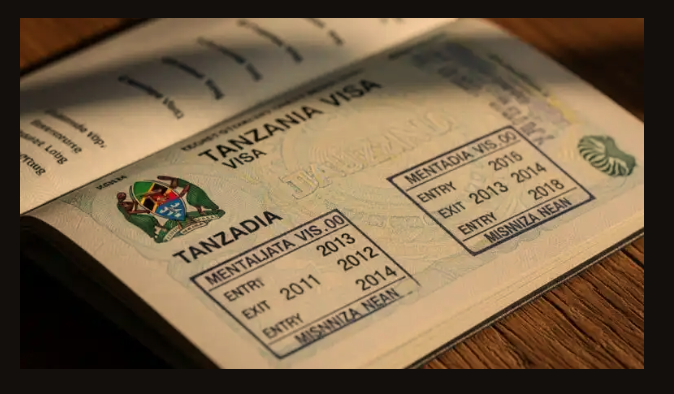
Tanzania’s decision to remove Nigerians from its referred visa category, ending the requirement for special immigration clearance before visas could be issued, is more than a routine change in travel policy. It is a development that should prompt Nigeria to examine why its citizens were subjected to the additional scrutiny in the first place—and what can be done to ensure that such measures become less necessary, rather than merely reversed.
Under Tanzania’s referred visa system, nationals of designated countries require clearance from the Commissioner General of Immigration or the Commissioner of Immigration in Zanzibar before a visa can be granted. Applicants are also advised to wait for approval before committing themselves to flights or accommodation. Nigeria had previously been included in that category.
Tanzania has now removed Nigerians from the list following amendments published in Government Gazette No. 246 of 2026. Nigerians will therefore return to the standard visa application process through Tanzania’s official immigration channels and designated entry points.
But the bigger issue is the question of how Nigeria got onto the referred-visa list in the first place. Tanzania has not, in the announcement announcing the reversal, publicly stated that Nigerians were placed under special clearance because of one single incident. Such immigration classifications can arise from a combination of security assessments, migration concerns, document fraud, irregular migration, diplomatic considerations and the perceived risk associated with particular nationalities. It would therefore be misleading to attribute Tanzania’s earlier decision to one specific cause without official evidence.
Nevertheless, the episode carries a lesson Nigeria should not ignore.
A country’s international reputation is not built only in presidential meetings, diplomatic statements or investment conferences. It is also built—or damaged—by the everyday conduct of its citizens abroad. When Nigerians face additional immigration checks in another country, the consequences are not confined to the individual traveller. Such policies can create an impression that affects students, tourists, genuine business travellers and other law-abiding Nigerians.
Nigeria must therefore understand that the passport is not merely a travel document; it is also a reflection of the confidence other countries place in the people carrying it.
The lesson should not, however, be that Nigerians should accept discriminatory treatment. Nigeria has a legitimate responsibility to protect the dignity of its citizens and engage foreign governments whenever policies disproportionately affect Nigerians. Diplomacy should seek both explanations and remedies rather than allowing restrictions to become permanent features of international travel.
At the same time, Nigeria must look inward. Immigration-related concerns involving fraudulent documents, irregular migration, visa overstays, trafficking and other abuses cannot simply be dismissed whenever they affect Nigerians abroad. Where such problems exist, stronger domestic enforcement and better cooperation with foreign immigration authorities are in Nigeria’s own interest.
Tanzania’s reversal also demonstrates the value of sustained diplomatic engagement. If the decision followed improved confidence, updated assessments or bilateral discussions, then Nigeria should see diplomacy not merely as a reaction to restrictions but as a continuous process of building trust.
The country must also invest more deliberately in the credibility of its passport. Stronger identity-management systems, reliable travel documents, effective border controls and cooperation against transnational crime can help reduce the reasons foreign governments may have for imposing additional scrutiny on Nigerian travellers.
The Tanzanian development should therefore be welcomed, but not celebrated without reflection. The question is not simply, “Why did Tanzania remove the restriction?” It is also, “What circumstances made the restriction possible in the first place, and what has Nigeria done to ensure that similar measures become unnecessary elsewhere?”
For Nigeria, the real victory will not be the removal of one country’s additional clearance requirement. It will be a gradual restoration of international confidence in the Nigerian traveller—so that the Nigerian passport is increasingly associated with legitimate travel, business, education and tourism rather than additional suspicion.
Tanzania has opened the door wider. Nigeria should make sure its citizens have fewer reasons to cause other countries to close theirs.