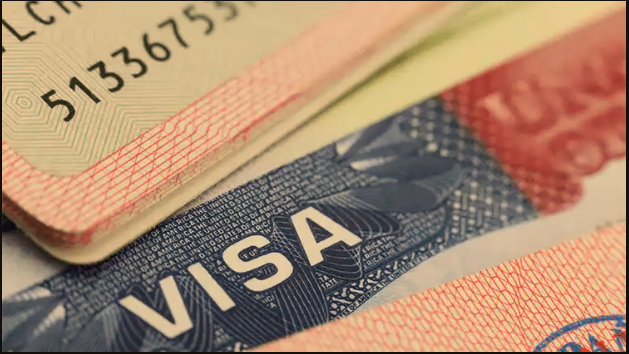
The United States has announced new visa restrictions targeting certain South African nationals accused of involvement in what Washington described as “race-based discrimination and incitement of imminent violence.”
The move reflects the Trump administration’s increasingly forceful intervention in South Africa’s domestic racial and land-policy debates, raising questions about whether visa restrictions are an appropriate tool for addressing another country’s internal political and social disputes.
In a statement issued on Wednesday, US Secretary of State Marco Rubio said Washington was “gravely concerned about racially motivated crime and government-sponsored discrimination occurring against the Afrikaners and other minority populations in South Africa.”
Rubio said the concerns included race-based legislation, threats of land expropriation without compensation, and what he described as incitement of racial violence through dehumanising chants and slogans.
“The United States will not allow such behavior to go unchecked,” Rubio said, explaining that the restrictions were being introduced after the South African government allegedly failed to adequately address Washington’s concerns.
The Trump administration has repeatedly criticised South Africa over alleged discrimination against Afrikaners, descendants largely of Dutch and French settlers who form part of the country’s white minority population.
The US government has also supported the resettlement of Afrikaners in the United States, with Trump arguing that accepting them would help strengthen national security and public safety.
“Nearly all refugees settled in the US since October have reportedly been South African.” He said.
South Africa, however, has rejected Washington’s characterisation of its domestic policies and has denied allegations that its government is pursuing racial discrimination against Afrikaners or other minorities.
South African Foreign Minister Ronald Lamola said he received the announcement with “concern”, describing the American position as another “mischaracterisation of South Africa’s domestic policies.”
The disagreement highlights the continuing sensitivity surrounding race, land ownership and economic inequality in post-apartheid South Africa. While Washington says its restrictions are intended to respond to discriminatory practices and threats of racial violence, Pretoria maintains that its policies must be understood within the country’s history of apartheid and continuing socioeconomic disparities.
The visa restrictions therefore risk deepening an already contentious relationship between two countries whose governments appear to have sharply different interpretations of racial justice and minority rights. Rather than resolving the underlying dispute, the measures could add another layer to diplomatic tensions and make constructive engagement more difficult.