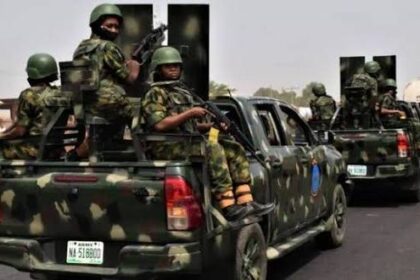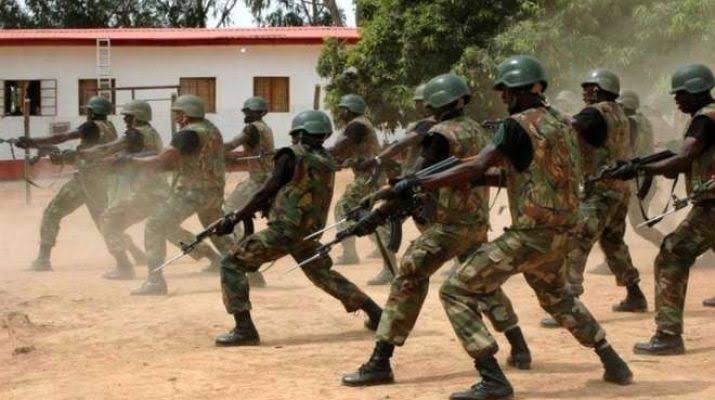
The Chief of Army Staff, COAS, Lieutenant General Waidi Shaibu, has expressed concern over the persistently low enlistment of youths from the South-East geopolitical zone into the Nigerian Army.
Shaibu raised the concern during the passing-out parade of the pioneer batch of 90 regular recruits at the Nigerian Army Recruit Training Depot in Amasiri-Edda, Ebonyi State.
The Army Chief said recruitment quotas allocated to the South-East had remained largely unfilled for several years, describing the situation as unacceptable.
He noted that while youths in other parts of the country compete for the limited opportunities available in the Army, the South-East has struggled to utilise its allocation.
Shaibu appealed to traditional rulers, parents, community leaders and other stakeholders to encourage eligible young men and women in the region to consider military service.
According to him, joining the Nigerian Army should be viewed not merely as a career but as an opportunity to demonstrate patriotism, leadership and commitment to national service.
He urged communities in the South-East to take ownership of the recruitment process and encourage youths to participate in the defence of the country.
The Army Chief also appealed to families of serving recruits to support them, noting that military service is demanding and requires encouragement and prayers from loved ones.
The concern has triggered a wider debate over why many youths in the South-East appear reluctant to enlist in the armed forces.
Former Abia State Governor and Senator, Orji Uzor Kalu, has also highlighted the problem, saying young people in his area frequently decline opportunities to join the Army, Police and Air Force.
Kalu attributed part of the challenge to the wider security and social divisions in Nigeria, urging citizens to place national identity above ethnic and religious differences.
He described the armed forces as important national institutions and maintained that many personnel serve professionally despite the challenges facing the country.
APC chieftain Joe Igbokwe, however, warned that the South-East could regret failing to take advantage of military recruitment opportunities.
Igbokwe’s position is that continued low participation could reduce the region’s representation within one of the country’s most important national institutions.
Human rights lawyer Aloy Ejimakor offered a contrasting explanation, arguing that the reluctance of some Igbo youths is rooted in mistrust rather than a lack of courage or patriotism.
Ejimakor pointed to historical experiences, allegations of marginalisation and controversies surrounding military operations in the South-East as factors that have weakened confidence in the security establishment.
He also criticised developments that, in his view, have made some young people uncomfortable with the idea of serving under the military command structure.
For some young South-Easterners, however, the issue is less about ethnicity and more about personal safety and the risks associated with military service.
Some prospective recruits are reportedly concerned about the number of soldiers killed during counter-insurgency operations and the perception that troops are sometimes deployed into dangerous environments without adequate protection.
Others are worried about the welfare of serving personnel, including salaries, accommodation, healthcare, insurance and support for families of fallen soldiers.
There are also concerns about fairness and equal opportunities within the military, with some youths questioning whether recruitment, promotion and career advancement are always based on merit.
This perception, whether justified in every case or not, has contributed to a trust deficit among some prospective recruits.
Parents are another significant factor influencing the decision of young people. Some families reportedly discourage their children from joining because of fears that military service could expose them to danger.
For others, the Army simply does not offer the economic opportunities they seek. Entrepreneurship, professional careers, technology, international employment and other private-sector opportunities are viewed by some youths as more attractive alternatives.
Some young people, however, reject the idea that the South-East has completely lost interest in military service.
They argue that there are still youths willing to serve but that the government must make recruitment more transparent, improve working conditions and restore public confidence in the armed forces.
They also believe that greater engagement with universities, communities and youth organisations could help the military explain available opportunities and address misconceptions surrounding enlistment.
Political interference is another concern raised by some youths, who believe that perceptions about the use of security agencies in political and communal conflicts can discourage enlistment.
For these young people, rebuilding confidence would require more than recruitment campaigns. They want stronger assurances that the military will remain professional, non-partisan and committed to protecting all Nigerians.
Political analyst and communication expert at Peaceland University, Enugu, Nduka Odo, similarly argued that the government should examine the conditions surrounding military service rather than simply blame South-Eastern youths.
Odo linked the recruitment problem to poor remuneration, inadequate living conditions, insecurity and the perceived decline in public confidence in the armed forces.
He also raised concerns about the condition of some military barracks, arguing that poor facilities could make the profession less attractive to young people who have other options.
Beyond recruitment, Odo called attention to the representation of South-Eastern youths in institutions such as the Nigerian Defence Academy, arguing that leadership representation within the military also deserves scrutiny.
He maintained that the debate should extend beyond the Army to other strategic institutions, including the Nigeria National Petroleum Company, Customs Service and aviation agencies.
Ultimately, the low recruitment figures present both a challenge for the Nigerian Army and an opportunity for the government to examine the reasons behind the reluctance.
The debate suggests that addressing the problem will require more than appeals for patriotism. Better welfare, transparent recruitment, equal opportunities, improved security and sustained engagement with communities could help rebuild confidence.
For the South-East, greater participation in national institutions could also strengthen the region’s representation in the country’s security architecture.
The question now is whether the government and military authorities can address the concerns driving some youths away while convincing more young people that military service offers both dignity and a meaningful opportunity to serve Nigeria.