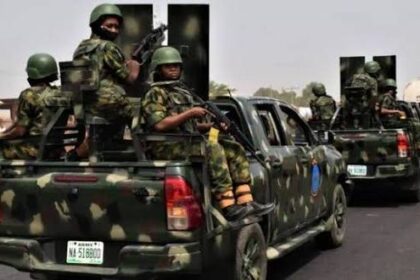
The Federal Government’s decision to rule out negotiations with terrorists is understandable. Speaking on the sidelines of the 21st Extraordinary Session of the African Union Assembly of Heads of State and Government in Luanda, Angola, Foreign Affairs Minister Bianca Odumegwu-Ojukwu declared that Nigeria would not negotiate or mediate with terrorists, insisting that military defeat remains the most effective response to terrorism.
That position sends a strong message: the government will not legitimise groups that use violence to threaten the lives and livelihoods of Nigerians. Terrorism, banditry and violent extremism cannot be allowed to become alternative systems of government or a means of forcing concessions from the state. However, defeating terrorism requires more than military operations. Nigeria must confront the conditions that allow insecurity to survive and regenerate.
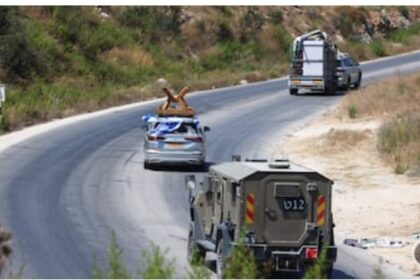
One of those conditions is the country’s poor road infrastructure. Across many rural communities, roads that should connect farmers to markets, villages to towns and citizens to security agencies have deteriorated into dangerous and inaccessible routes. Some remote areas are difficult for security personnel to reach, giving criminals opportunities to operate with less fear of immediate intervention. Bad roads do not cause terrorism by themselves, but they can create an environment in which banditry, kidnapping and other crimes become easier to organise and sustain.
Communities already struggling with poverty are pushed further into hardship. Young people without jobs, education or meaningful economic opportunities can become vulnerable to criminal recruitment, particularly where criminal groups offer money, protection or a sense of belonging.
This is why the government’s war against terrorism must be linked to a serious war against poverty and economic exclusion. Military victories may remove terrorists from particular locations, but sustainable peace requires giving communities something to protect and a legitimate economic future to pursue. A citizen who can earn a decent living, educate his children and access basic services has far less incentive to embrace criminality than one trapped in persistent deprivation.
Corruption makes the situation even more dangerous. Nigeria cannot continue to approve billions of naira for roads, security and development while citizens see projects abandoned, poorly executed or repeatedly reconstructed. Every naira diverted from infrastructure is potentially another obstacle to security, economic growth and social stability. Corruption does not merely steal public money; it weakens the state’s ability to protect its people.
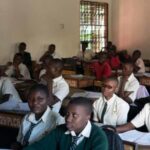
The government must therefore ensure that security spending produces measurable results. Military personnel need equipment, intelligence and mobility, but communities also need functioning roads, schools, hospitals, electricity, telecommunications and economic opportunities. Security should not be viewed solely through the barrel of a gun. A functioning road can prevent bandits’ attack, help security agencies reach vulnerable communities, allow farmers to move goods and reconnect isolated populations to the formal economy.
There is also a need for greater accountability in the management of security operations. Nigerians should be able to see clear evidence that huge public resources devoted to fighting terrorism are producing stronger intelligence networks, better-equipped security personnel and safer communities. Where corruption is discovered, prosecution should follow regardless of political connections.
The government’s refusal to negotiate with terrorists should therefore be accompanied by a broader national strategy. Nigeria must defeat criminal groups militarily while simultaneously defeating the poverty, unemployment, infrastructure deficit and corruption that can create fertile ground for insecurity.
The message from Luanda should not simply be that terrorists will face defeat. It should also be that Nigerians living in vulnerable communities will no longer be abandoned to poor roads, poverty, hunger and weak public institutions.
Terrorists may understand the language of force, as the minister argued, but citizens understand the language of development. They understand good roads, jobs, affordable food, functioning schools, reliable healthcare and justice. If Nigeria wants lasting peace, it must speak both languages.
The real victory will not be measured only by the number of terrorists defeated. It will be measured by whether a farmer can travel safely to market, whether a child can attend school without fear, whether a community can access emergency services, and whether young Nigerians can find legitimate opportunities without turning to crime.
Nigeria must therefore fight terrorism with determination—but it must also fight the failures that make insecurity possible. Military strength can win battles; good governance, development and justice are what will help win the peace.