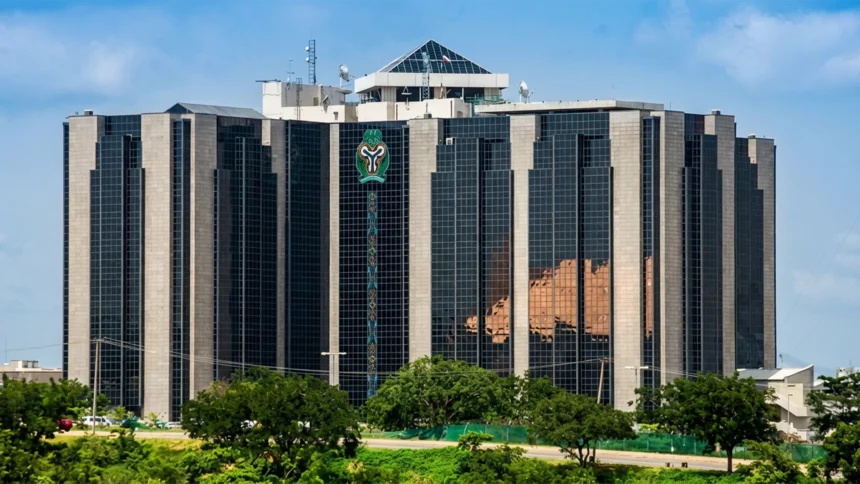
Nigeria’s consumer credit declined by 19.89 percent in 2025, falling to N3.78 trillion from N4.72 trillion recorded a year earlier, according to the Central Bank of Nigeria (CBN).
The figures, contained in the CBN’s 2025 Annual Report and Statement of Accounts, mark the first decline in consumer lending since 2019.
The apex bank attributed the contraction largely to the country’s high interest rate environment, which discouraged household borrowing throughout the year.
Although overall consumer credit declined, the composition of lending changed significantly.
Retail loans increased by 63.77 percent to N1.94 trillion, accounting for 51.16 percent of total consumer credit. Personal loans declined to N1.85 trillion, representing 48.84 percent of the portfolio.
The report also showed that consumer credit accounted for only 6.6 percent of total private sector credit in 2025, compared with 7.98 percent in the previous year.
According to the CBN, higher borrowing costs significantly reduced demand for consumer loans while reshaping lending patterns across the banking industry.
The report also highlighted changes in loan maturity profiles.
Short-term loans remained dominant, representing 51.6 percent of total bank credit, although their share declined from the previous year. Long-term lending expanded to account for 34.94 percent of total credit, reflecting a gradual shift in banks’ lending strategies.
On the funding side, short-term deposits continued to dominate banks’ liabilities, accounting for 91 percent of total deposits. Long-term deposits declined sharply, reflecting depositors’ preference for shorter investment horizons amid prevailing economic conditions.
Despite weaker consumer lending, credit to Nigeria’s private sector continued to expand.
CBN data show that private sector credit increased to N83.2 trillion in June 2026, compared with N81.04 trillion in May and N76.13 trillion recorded in June 2025.
The expansion occurred despite the Monetary Policy Committee maintaining the Monetary Policy Rate at 26.5 percent as part of efforts to curb inflation.
Economists say the latest figures illustrate how elevated interest rates continue to suppress household borrowing while businesses remain the primary beneficiaries of bank lending.