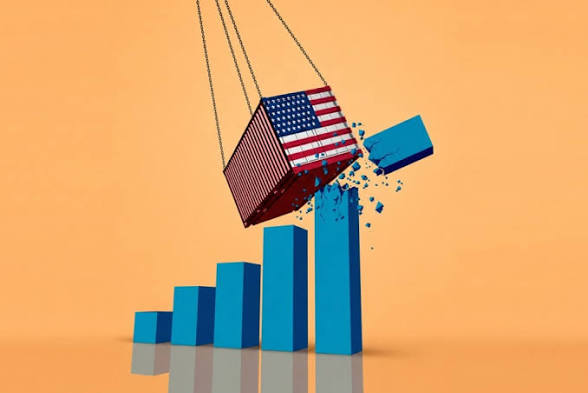
The Trump administration’s export-control licensing regime is delivering limited strategic benefits while costing US companies billions of dollars in lost exports and weakening their global market share, according to a new business survey.
The US-China Business Council (USCBC) said months-long delays in processing export licences were hurting American businesses and eroding their competitiveness in international markets.
The findings were contained in a flash survey of 31 US companies conducted in July, covering the technology, industrial and manufacturing, energy, and healthcare sectors.
According to the survey, most pending export licences involve products that are already available in China from Chinese or other international suppliers. The delays, it said, are therefore effectively shutting American companies out of the Chinese market without delivering a clear strategic benefit.
“Export controls are important, but if they are not calibrated, then they have the reverse effect,” USCBC President Sean Stein told the South China Morning Post.
Stein said poorly targeted restrictions could undermine US competitiveness and technological leadership without providing meaningful additional protection for national security.
The USCBC, a non-profit association representing about 270 American companies doing business in China, warned that prolonged licensing delays could further weaken the position of US firms in one of the world’s largest markets.
The findings add to concerns among American businesses that tighter export restrictions, while intended to protect US national-security interests, could unintentionally hand market share to foreign competitors.