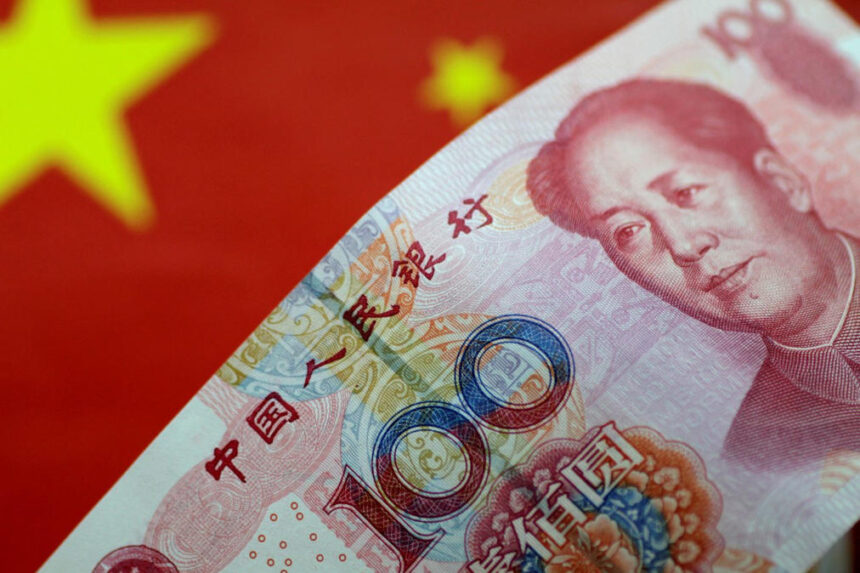
China’s efforts to project the yuan as a strong global currency continue to face pressure from structural weaknesses within the country’s economy, according to economists who argue that the renminbi remains significantly undervalued despite recent gains against the US dollar.
Currency specialists estimate that the yuan trades between 20 and 30 percent below its long-term value, not because of temporary market conditions, but because of the way China’s economy is structured.
At the centre of the issue is China’s persistent reliance on exports as the primary engine of economic growth. The country maintains one of the world’s highest savings rates, while household consumption remains comparatively weak. Economists attribute this imbalance to limited social welfare protections, uncertainty in the property market and policies that channel domestic savings into state-backed industries rather than consumer spending.
The result is an economy that consistently produces more goods than its domestic market can absorb, forcing manufacturers to depend heavily on overseas demand.
Analysts note that Chinese authorities have invested heavily in strategic industries including semiconductors, electric vehicles, artificial intelligence and advanced manufacturing. While these sectors have strengthened China’s industrial capacity, they have also contributed to excess production, increasing pressure to expand exports.
This export-driven model has generated large trade surpluses and intensified commercial tensions with major economies, particularly the United States and the European Union.
Recent appreciation of the yuan has prompted speculation that Beijing is shifting its currency policy. However, economists argue that the gains have been modest when adjusted for inflation.
China’s near-zero inflation has effectively preserved the competitiveness of its exports even without substantial currency depreciation. By comparison, higher inflation in the United States has widened the pricing advantage enjoyed by Chinese manufacturers.
Financial analysts say several factors have supported the yuan this year, including China’s strong current account surplus, a weaker US dollar and increased conversion of overseas export earnings into local currency by Chinese exporters.
Nevertheless, they believe the currency remains undervalued because the underlying economic model has changed little.
Political considerations also play an important role in Beijing’s approach to exchange rate management.
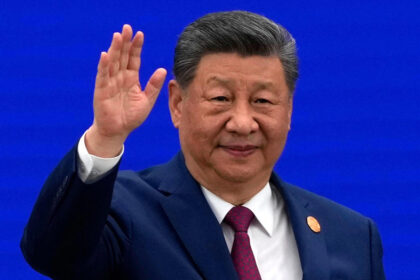
President Xi Jinping has consistently favoured a stable and relatively strong yuan, viewing currency weakness as damaging to China’s international image. During periods of heightened trade tensions with Washington, Chinese policymakers reportedly balanced the need to support exporters with the leadership’s preference for avoiding a sharply weaker currency.
Economists expect Beijing to continue allowing only gradual appreciation of the yuan rather than pursuing a major currency revaluation.
They argue that a stronger yuan would improve household purchasing power and encourage greater domestic consumption. However, such a move could reduce the competitiveness of Chinese exports, a risk policymakers appear unwilling to take while economic growth remains under pressure.
The broader concern among international observers is that China’s economic model continues to depend heavily on high savings, state-directed investment and export expansion instead of stronger domestic demand.
As long as these structural conditions remain in place, analysts believe the yuan will continue to trade below its estimated long-term value, leaving trade tensions with Western economies unresolved and delaying efforts to rebalance the world’s second-largest economy.