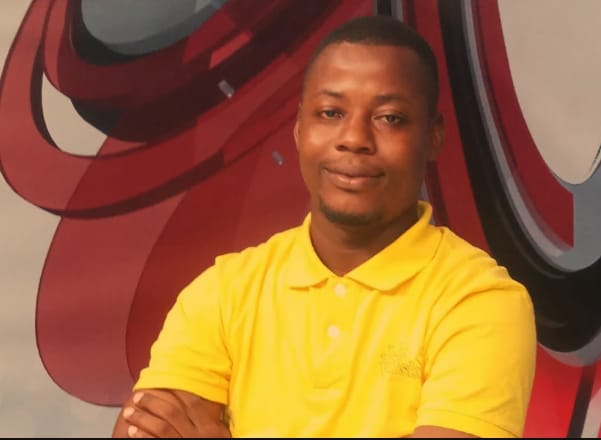
The continued detention of Beninese journalist Hugues Comlan Sossoukpè is seemingly no longer a matter that can be treated as an ordinary judicial proceeding. Nearly a year after his arrest in Côte d’Ivoire and subsequent transfer to Benin, the case has become a test of Benin’s commitment to press freedom, due process and the protection of journalists.
The call by 50 West African journalists for his release should therefore not be dismissed as another expression of solidarity among media professionals. It reflects growing concern across the region about the circumstances surrounding Sossoukpè’s arrest and the implications of his continued detention for journalism in West Africa.
Sossoukpè, founder of the investigative media outlet Olofofo, had been living as a political refugee in Togo since 2021. His arrest in Abidjan in July 2025, while attending the Ivoire Tech Forum, and his subsequent transfer to Benin have raised serious questions about the treatment of refugees and the obligations of states under regional and international norms.
The circumstances of his transfer are particularly troubling. Human rights organisations have alleged that he was taken from his hotel room, transferred to the airport and flown to Benin by private aircraft. If established, such circumstances demand transparency and a clear explanation from the authorities involved.
Upon his arrival in Cotonou, Sossoukpè was detained and later brought before the Court for the Repression of Economic Crimes and Terrorism. He faces allegations including incitement to rebellion, incitement to hatred and violence, electronic harassment and the glorification of terrorism. These are serious accusations that deserve to be tested through a fair and transparent judicial process.
But the seriousness of the allegations should not become an excuse for indefinite detention or the suppression of legitimate journalism. A journalist accused of wrongdoing must be afforded due process, access to legal representation and the opportunity to defend himself before an independent court.
This is where the Sossoukpè case becomes bigger than the fate of one individual. It touches on the fundamental principle that journalism, particularly investigative journalism, must be allowed to scrutinise those in power without journalists being treated as enemies of the state simply because their reports are uncomfortable.
The media has a responsibility to report responsibly, verify information and respect the law. At the same time, governments have an even greater responsibility to ensure that laws designed to combat terrorism, cybercrime or public disorder are not selectively deployed against critical voices.
The allegations of difficult detention conditions and prolonged isolation make the situation even more concerning. Detention should never become a substitute for trial, nor should restrictions on family visits be used to impose additional punishment on a person who has not been convicted.
Reporters Without Borders has taken the matter to the ECOWAS Court, alleging violations involving kidnapping, sequestration, forced transfer and arbitrary arrest. These claims are serious and deserve proper judicial consideration rather than political dismissal.
There is also the question of refugee protection. If Sossoukpè had refugee status in Togo, his transfer from Côte d’Ivoire to Benin raises legitimate questions about the principle of non-refoulement and the responsibilities of states toward individuals who have been granted international protection.
The regional dimension is impossible to ignore. The case of former Canal 3 journalist Ali Moumouni, who was arrested shortly after Sossoukpè and is allegedly linked to Olofofo, reinforces concerns about the wider environment facing critical journalists in Benin.
West Africa cannot afford to normalise the detention of journalists through broad accusations linked to national security. The fight against terrorism and digital crimes is legitimate, but those objectives must be pursued without destroying the space for independent journalism.
Benin has historically presented itself as a country committed to democratic governance and constitutional order. That reputation carries responsibilities. Democratic credibility is not measured only by the conduct of elections or the existence of political institutions; it is also measured by how governments treat their critics, journalists and dissenting voices.
The authorities should therefore consider the appeal of the 50 journalists as an opportunity rather than a challenge. A transparent review of Sossoukpè’s detention, respect for his legal rights and, where appropriate, his release would help restore confidence in Benin’s commitment to the rule of law.
The wider international community and regional institutions should also continue to monitor the case. Freedom of expression cannot remain a principle invoked only when convenient. It must be protected consistently, especially when the journalism involved is critical of governments and powerful interests.
Ultimately, the Sossoukpè case is a test of whether West Africa will move toward greater protection for journalists or allow fear, security concerns and political pressure to narrow the space for independent reporting. Beninese authorities have an opportunity to demonstrate that justice and press freedom can coexist. The call from 50 West African journalists should be heard clearly: release Hugues Comlan Sossoukpè if there is no lawful basis to continue his detention, and ensure that any remaining proceedings meet the highest standards of fairness and transparency.