Algeria is accelerating the development of its mining sector as it seeks to expand production of iron ore, phosphates, zinc and lead, while growing interest from the United States creates new opportunities for investment and strategic cooperation.
The push comes as Washington moves to diversify critical-mineral supply chains and reduce dependence on foreign sources. Algeria, meanwhile, is advancing several major mining projects and introducing regulatory reforms designed to attract greater foreign participation.
Gara Djebilet Drives Iron Ore Expansion
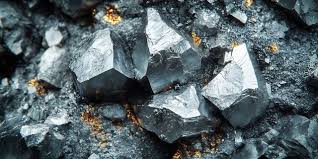
At the centre of Algeria’s mining strategy is the Gara Djebilet iron ore project in Tindouf, which has estimated reserves of about 3.5 billion tonnes.
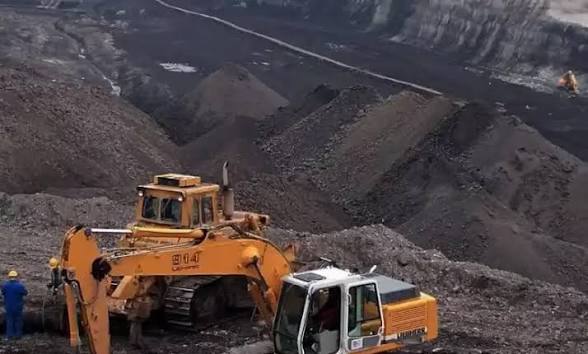
The project reached a major milestone in February 2026 when the first shipments of iron ore were transported by rail to Béchar, marking the start of effective exploitation of the vast deposit.
Algeria is also developing the infrastructure needed to transport and process the ore. An initial processing unit is planned, with authorities targeting a gradual increase in processing capacity from one million tonnes in 2026 to eight million tonnes by 2030.
The government is simultaneously investing in railway, energy and industrial infrastructure to support the long-term development of Gara Djebilet.
Phosphates Form Another Pillar
Phosphate production is another major component of Algeria’s diversification strategy.
The integrated phosphate project spanning Tébessa, Souk Ahras and Annaba is based on estimated recoverable reserves of about 840 million tonnes and is expected to produce 10.5 million tonnes of raw phosphate annually.
Preparatory work is continuing at the Bled El Hadba mine in Tébessa, which will form a key part of the integrated project covering mining, phosphate processing and fertiliser production.
The development already involves international companies, including Italy’s Saipem and China’s CHEC, alongside Algerian firms such as Cosider Canalisations, SARPI and GCB.
US Deepens Engagement
Algeria’s mining expansion is coinciding with increased engagement with Washington.
In April 2026, US Deputy Secretary of State Christopher Landau visited Algiers and held discussions with Algerian officials on energy, mining, trade and investment opportunities.
The talks followed a major change in Algeria’s mining legislation. Law No. 25-12, adopted in August 2025, abolished the so-called 49/51 rule that had restricted foreign ownership in strategic sectors.
Under the new framework, foreign investors can hold up to 80 percent of the capital in a mining project, while a single 30-year permit can cover both exploration and exploitation.
The regulatory changes, combined with phosphate’s inclusion on the US list of critical minerals, have contributed to stronger exchanges between Algiers and Washington.
On June 7, Algerian authorities and the US diplomatic mission held further discussions on cooperation in mineral exploration, extraction and industrial processing, including strategic minerals used in advanced technologies and renewable energy.
Algeria Seeks Strategic Position
Washington’s growing interest comes as the United States seeks to strengthen domestic and international critical-mineral supply chains. The US list published in November 2025 expanded to 60 critical minerals, with phosphate among the additions.
The administration has also introduced measures aimed at securing supplies considered important to national security and defence.
For Algeria, the opportunities extend beyond iron ore and phosphates. The Tala Hamza-Oued Amizour zinc-lead project in Béjaïa is also among the country’s major mining developments being monitored by the government.
However, despite several rounds of discussions between Algerian authorities and US officials since late 2025, no major US financial agreement on mining cooperation has been publicly announced.
Regional and Geopolitical Implications
Algeria’s push to expand phosphate production also has a regional dimension. Morocco, through the Office Chérifien des Phosphates, controls a dominant share of the world’s phosphate reserves, while Algeria is seeking to strengthen its position as an alternative supplier.
The mining discussions also intersect with wider geopolitical issues between Algiers and Washington, particularly the Western Sahara dispute. The United States continues to support Morocco’s autonomy proposal, making the broader relationship between Algeria and Washington strategically sensitive.
Beyond mining, Algeria’s energy resources could further enhance its appeal as a potential partner in efforts to diversify global supply chains. A 2026 US Geological Survey assessment estimated that Algeria has about 80.1 trillion cubic feet of technically recoverable undiscovered shale gas resources in the Greater Erg/Ahnet Province.
With major mineral projects moving towards production, new investment rules and significant energy resources, Algeria is positioning itself as an increasingly important player in the Maghreb’s emerging mining and strategic-resource landscape.