Tehran’s shrinking oil exports deepen global energy concerns as Washington tightens economic pressure on Iran
Iran’s oil exports have plunged by more than 80 per cent in August compared with the same period last year, as the United States maintains an increasingly aggressive blockade aimed at cutting Tehran’s access to international oil markets.
The scale of the decline is alarming not only for Iran but for the wider global economy. While Washington may view the restrictions as a means of forcing Tehran back to the negotiating table, prolonged disruption of one of the world’s major oil-producing countries could create fresh volatility in energy markets, particularly if tensions around the Strait of Hormuz intensify.
Data from intelligence firm Kpler showed that Iran loaded approximately 260,000 barrels of oil per day so far in August, sharply down from about 1.7 million barrels per day during the same month last year.
The bulk of the decline occurred after the United States reimposed its blockade on July 14, following the collapse of a memorandum of understanding between Washington and Tehran. Since then, Iranian oil loadings have reportedly fallen by about 70 per cent.
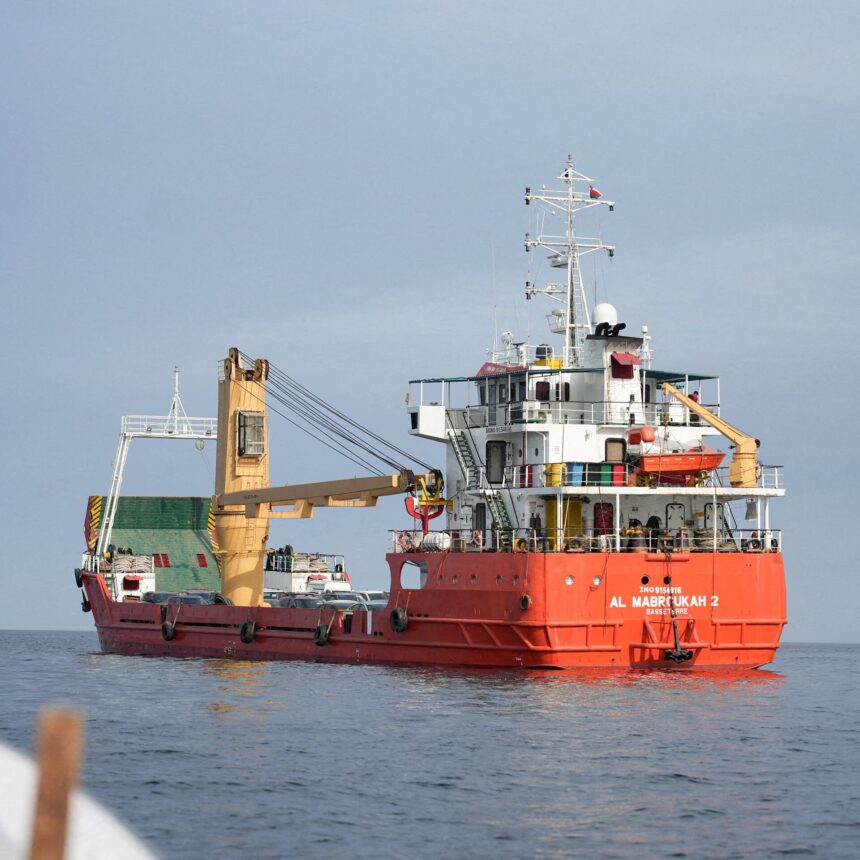
The United States Central Command said its forces had redirected 75 commercial vessels, disabled three and boarded two as part of efforts to enforce compliance with the blockade.
The development has raised concerns over the potential consequences for international shipping and energy supplies. Any sustained disruption involving commercial vessels or vital maritime routes could extend beyond the immediate U.S.-Iran confrontation and affect countries that depend heavily on stable global oil markets.
Amid the pressure, Iranian Foreign Minister Abbas Araghchi signalled that Tehran remained open to diplomacy with Washington, saying a return to negotiations was “isn’t impossible” but would require changes in the U.S. approach.
Araghchi called for Washington to rebuild trust, engage respectfully, recognise Iran’s rights and honour its commitments. He also referred to what he described as constructive discussions with Qatar’s leadership.
At the same time, Iran and Oman have reportedly taken steps towards establishing a shipping arrangement through the Strait of Hormuz, including an agreement on transit fees. Iran’s Revolutionary Guard Corps, however, said implementation would depend on Washington accepting the proposed conditions.
The diplomatic opening contrasts sharply with President Donald Trump’s position. Trump said the United States was not seeking talks with Tehran, signalling that Washington intends to maintain pressure rather than immediately return to direct negotiations.
The economic squeeze is also widening beyond Iran’s borders. U.S. Treasury Secretary Scott Bessent this week unveiled what he called “Operation Economic Outcast,” a plan targeting individuals, institutions and financial networks accused of helping Iran sustain its economic activity.
Bessent warned that no entity was beyond the reach of U.S. sanctions, raising the possibility that Chinese financial institutions could also face pressure if they facilitate transactions connected to Iranian oil.
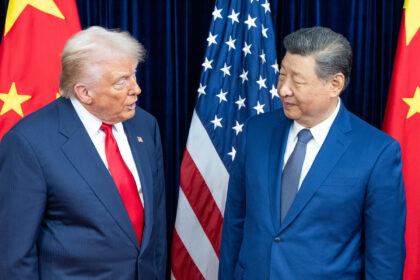
The warning comes at a sensitive moment in U.S.-China relations, with Chinese President Xi Jinping expected to meet Trump in September. Any sanctions against major Chinese financial institutions could therefore introduce another layer of tension into an already complicated global economic relationship.
For Iran, the immediate challenge is clear: declining oil exports threaten a crucial source of government revenue at a time when the country is already facing intense economic pressure. For the rest of the world, however, the bigger concern is whether the confrontation remains an economic dispute or develops into a wider disruption of energy supplies and international shipping.
Writer’s Opinion: The dramatic fall in Iranian oil exports demonstrates how powerful economic sanctions can be, but it also exposes their limits. Cutting Iran’s access to oil revenue may weaken Tehran financially, yet pressure without a credible diplomatic pathway risks producing a cycle of escalation rather than a durable solution. The international community cannot afford an energy crisis triggered by a prolonged U.S.-Iran confrontation. Washington and Tehran should therefore keep diplomacy alive, because stable oil markets, secure shipping routes and global economic stability are interests shared far beyond their borders.