The Nigeria Federal Government’s ambition to build a $1 trillion Nigerian economy by 2030 has received a fresh boost from the latest Gross Domestic Product figures. The 4.43 per cent real GDP growth recorded in the second quarter of 2026, up from 3.89 per cent in the first quarter, is encouraging and suggests that the economy may finally be gaining momentum after years of sluggish performance.
Yet, one strong quarter does not guarantee the achievement of the 2030 target. The government must resist the temptation to interpret the latest figures as proof that its economic destination is already assured. A $1 trillion economy requires sustained and significantly stronger growth, a stable currency, rising productivity and substantial expansion in investment and production.
The broad-based nature of the latest growth is particularly encouraging. Manufacturing grew by 3.24 per cent, agriculture by 4.39 per cent, while services expanded by 4.60 per cent. These figures indicate that growth is not being driven exclusively by oil and that productive sectors are beginning to respond to economic reforms.
The appreciation and relative stability of the naira have also improved the economy’s dollar value. But policymakers must be careful not to confuse an increase in dollar-denominated GDP caused partly by exchange-rate movements with a corresponding increase in the real wealth and productivity of Nigerians. What ultimately matters is whether businesses produce more, workers earn more and households enjoy greater purchasing power.
The real test, therefore, is whether the present growth can be sustained over the next four years. Nigeria needs stronger electricity supply, better infrastructure, easier access to credit, improved security, efficient ports and transport networks, and policies that encourage both domestic and foreign investment. Manufacturing and agriculture, in particular, must grow rapidly enough to create jobs and reduce dependence on imports.
The government must also confront the uncomfortable reality that headline GDP growth can coexist with hardship. If millions of Nigerians continue to struggle with food prices, unemployment and declining living standards, impressive GDP statistics will have limited meaning to them. Economic growth must become economic prosperity.
The IMF projection cited by the Finance Ministry that Nigeria could contribute significantly to global growth is welcome. But projections are not guarantees. The administration must ensure that reforms are consistent, transparent and sufficiently predictable to allow businesses to plan and invest for the long term.
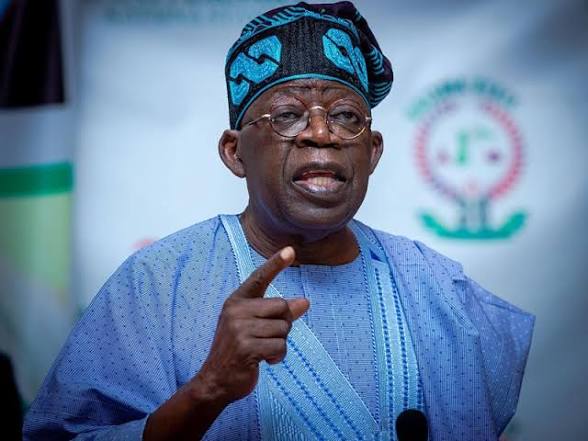
The $1 trillion ambition is therefore possible, but the latest 4.43 per cent growth rate is only an encouraging step, not a guarantee. The Tinubu administration should use the momentum to deepen reforms rather than declare victory prematurely.
Nigeria needs an economy that is not merely bigger on paper, but one that is more productive, competitive and inclusive. If the government can sustain high-quality growth, strengthen the productive sectors and ensure that ordinary Nigerians share in the benefits, the 2030 target could become a credible economic milestone rather than another ambitious government projection.
Tinubu’ Growth Figures Must Translate Into a $1 Trillion Economy



Leave a Comment