Middle East Tensions: Tehran rejects pressure to change its policies as Trump hints at renewed strikes, while Iran warns that the war has permanently altered the strategic stakes around the Strait of Hormuz.
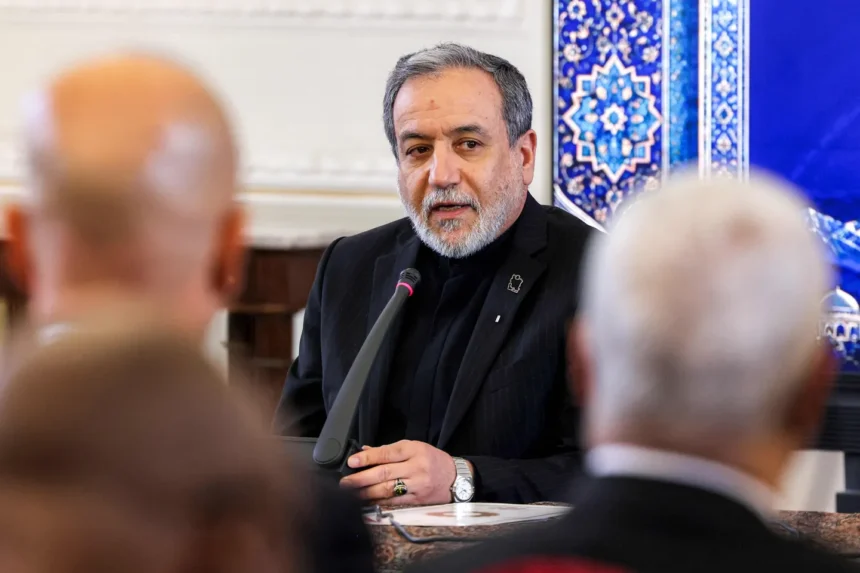
Iranian Foreign Minister Abbas Araghchi today warned that renewed military action by the United States and Israel would not force Tehran to change its policies, declaring that Iran is already preparing for the post-war period despite mounting threats of fresh attacks.
Araghchi made the remarks on Sunday 25th October 2026 during a televised event in Tehran, responding to renewed speculation about a possible resumption of hostilities following the US-Israeli military campaign against Iran that began on February 28.
“Whether there is war or not, our policies remain the same,” he said, dismissing the prospect that another round of fighting would produce a different political outcome for Tehran.
The foreign minister argued that previous military operations had failed to achieve their intended objectives and warned Washington and Tel Aviv against assuming that renewed attacks would compel Iran to abandon its position.
“They have already done so twice and have seen the results. If they want to try again, they know they will achieve no different outcome from those of the past,” Araghchi said.
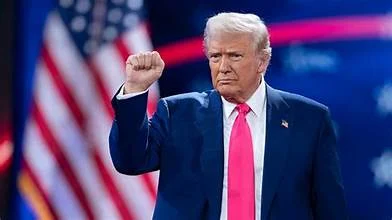
His remarks followed US President Donald Trump’s suggestion on Friday that Washington could launch another military operation against Iran. Trump said the United States “may do another little Epic Fury”, referring to the campaign conducted alongside Israel.
The renewed rhetoric has heightened uncertainty over the fragile ceasefire that halted the most intense fighting on April 8. Although the truce reduced hostilities, tensions have persisted around the strategically vital Strait of Hormuz, where sporadic military confrontations have continued before easing in recent weeks.
The waterway, through which a significant share of global oil and gas supplies passes, has emerged as a central flashpoint in the confrontation. Iran has asserted control over shipping through the strait since the outbreak of the war and has targeted vessels attempting to cross without its authorisation, prompting strong opposition from Washington and countries across the region.
In response, the United States has maintained a naval counter-blockade targeting Iranian ports, adding another layer of pressure to an already volatile regional situation.
Araghchi suggested that the consequences of the conflict would extend well beyond the battlefield, arguing that the strategic arrangements governing maritime traffic through the Strait of Hormuz had fundamentally changed.
“The current war has changed everything. We must accept that new realities are taking hold. Shipping routes through the Strait of Hormuz will no longer be the same, and the management of the strait will no longer be the same,” he said.
The statement signals Tehran’s determination to make control of the waterway a central issue in any future regional settlement. However, Iran’s position faces opposition from the United States and other countries concerned about freedom of navigation and the security of international energy supplies.
The confrontation has also undermined diplomatic efforts to secure a lasting end to the conflict. In June, Iran agreed with the United States to a memorandum of understanding outlining a possible pathway towards a permanent settlement. The arrangement subsequently unravelled as both sides accused each other of violating its terms.
Tehran has since called for a return to the agreement, indicating that it remains open to a diplomatic resolution even as it rejects the threat of renewed military action.
Araghchi also argued that lasting peace and stability in the region would require the withdrawal of foreign military forces, a position that places Iran at odds with Washington’s longstanding security presence in the Middle East.
“To achieve peace and stability, our region must move towards the complete absence of foreign forces,” he said.
The demand reflects Iran’s broader opposition to the US military presence in the region, although it remains unclear how such a proposal could be reconciled with the security concerns of Washington’s regional partners.
Ultimately, Araghchi’s remarks underscore Tehran’s attempt to project resilience in the face of renewed military threats while positioning itself for negotiations over the post-war regional order. His warning, however, also highlights the risk that continued confrontation could undermine the fragile ceasefire, further destabilise the Strait of Hormuz and expose global energy markets to renewed disruption.
With Washington signalling the possibility of fresh strikes and Tehran insisting that military pressure will not change its position, the prospects for a durable settlement remain uncertain.