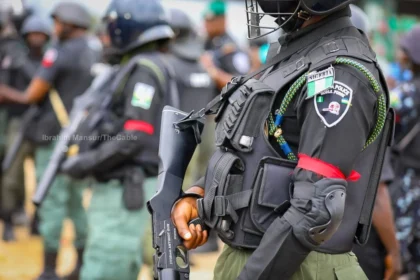
At least 17 journalists in Kenya have lodged complaints over alleged assaults by police officers while performing their professional duties in 2026, raising fresh concerns about press freedom and media safety ahead of the country’s 2027 General Election.
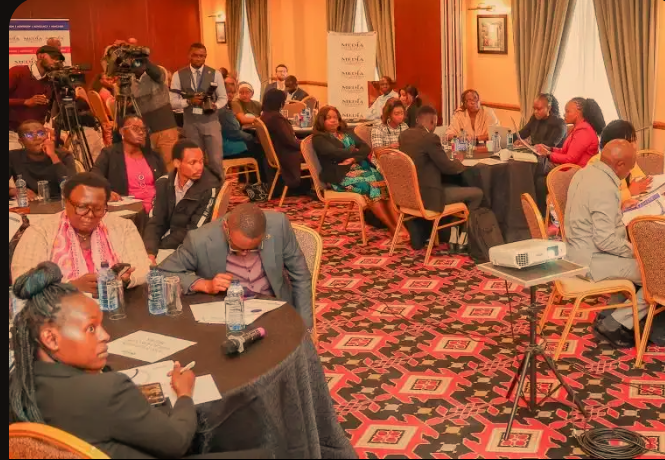
The figures, presented by the Independent Policing Oversight Authority (IPOA), emerged during a media safety assessment meeting organised by the Media Council of Kenya (MCK) in Nairobi on Monday. The meeting, held to mark the International Day to End Impunity for Crimes Against Journalists, provided a platform for journalists to recount incidents of police brutality, harassment and intimidation.
Among those who shared their experiences were journalists Oukusi Cheche and Francis Odede, who described separate encounters with security operatives while covering news events. Their accounts highlighted the risks faced by media practitioners in the course of gathering and reporting information.
Cheche said he was caught in a confrontation while covering an incident when a tear gas canister struck his left leg, leaving him unable to escape. He alleged that his attackers attempted to seize his camera, blocked his escape route and physically assaulted him, resulting in a wrist injury.
Odede, who was reportedly assaulted, manhandled and arrested while covering fuel protests, also recounted his ordeal, saying he repeatedly identified himself as a journalist during the confrontation, but his appeals were ignored.
“I actually said I am a journalist 23 times, but nobody listened,” he said.
Statistics presented at the meeting showed that Nairobi recorded the highest number of complaints involving alleged police brutality against journalists, followed by Kajiado County.
However, efforts to secure justice for affected journalists remain hampered by inadequate documentation and limited cooperation from police officers. An IPOA representative said investigators often encounter difficulties obtaining official records needed to establish the circumstances surrounding reported incidents.
The representative explained that access to police Occurrence Books and cell registers was essential to verifying whether journalists had been detained and documenting the circumstances of their arrests. However, the authority reportedly faced resistance from some officers when requesting the records.
According to report, the concerns have intensified as Kenya prepares for the 2027 General Election, a period in which journalists are expected to cover political campaigns, public demonstrations and other potentially volatile events.
Meanwhile, stakeholders at the meeting called on the government, media organisations and security agencies to strengthen measures for protecting journalists and ensuring accountability for attacks against them.
Participants also urged media owners and editors to prioritise the safety of reporters before deploying them to dangerous assignments, stressing the need for adequate protective equipment, security training and workplace policies that address harassment, psychological trauma and burnout.
Freelance journalists, correspondents, photographers and camera operators were identified as particularly important groups to include in media safety arrangements, with stakeholders warning against leaving independent and contract workers without adequate protection.
The meeting further highlighted the broader implications of attacks on journalists, warning that intimidation and violence could undermine press freedom and the public’s right to information. Stakeholders called for stronger safeguards, improved cooperation with investigators and more effective accountability mechanisms to ensure journalists can carry out their duties without fear of assault or arbitrary arrest.
PeopleDail