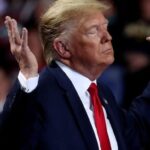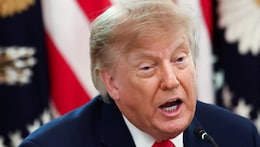
United States President Donald Trump has admitted that his administration’s mass deportation policy was excessively harsh, acknowledging that the crackdown on undocumented immigrants may have contributed to the Republican Party’s crushing defeat in last week’s midterm elections.
Trump made the admission during an interview with CBS News’ 60 Minutes, which aired on Sunday, saying his administration’s aggressive immigration enforcement had affected his political standing, particularly among Americans who believe undocumented immigrants with jobs and no criminal records should be allowed to remain in the country.
Asked whether his deportation policy had been too harsh, Trump responded, “I think it was too tough. I think it might be too tough.”
The president acknowledged that his administration had deported people who had established jobs and businesses in the United States but whose only violation was entering the country illegally.
“I get hurt because we also took people that had good jobs, that created one violation, or breaking of the law, and that was that they came into the country illegally,” he said.
Trump noted that many Americans believed immigrants who worked in landscaping companies, hotels and other businesses, and in some cases paid taxes, should be permitted to stay in the country.
He also expressed willingness to negotiate with Democrats on immigration reforms, including a possible arrangement that would provide legal status for undocumented workers.
However, the president acknowledged resistance from hardline conservatives within his administration and political circle, who favour the removal of all undocumented immigrants regardless of their circumstances.
The comments represent a notable admission from Trump, whose return to the White House was accompanied by an aggressive immigration enforcement campaign centred on his promise to deport millions of undocumented migrants.
Despite acknowledging the possible political consequences of the policy, Trump on Friday appointed Stephen Miller, the architect of his mass deportation strategy, as White House chief of staff, replacing Susie Wiles.
Miller has been one of the most influential figures behind the administration’s hardline immigration agenda, with his appointment signalling Trump’s continued commitment to the policy despite the electoral setback.
Beyond immigration, Trump attributed the Republicans’ poor performance in the midterm elections to what he described as ineffective communication of his administration’s achievements.
He blamed bad messaging, including his own inability to effectively communicate the administration’s record, while accusing the media of failing to give sufficient attention to what he considered positive developments.
“I think it was bad messaging, maybe by me, but I would talk about it all the time,” Trump said.
Asked to explain what went wrong with the party’s messaging, he replied, “We couldn’t get the word across.”
Trump also played down the impact of the war involving Iran on economic difficulties facing Americans, despite concerns about rising costs and the broader economic consequences of the conflict.
His comments come as Republicans contend with the political implications of their midterm losses, while the president faces pressure to reassess some of the policies that have defined his second administration.