The United Arab Emirates has called for a combination of military deterrence and diplomatic engagement to secure lasting peace in the Gulf, as US President Donald Trump expressed confidence that renewed fighting with Iran was highly unlikely.
Dr Anwar Gargash, diplomatic adviser to UAE President Sheikh Mohamed bin Zayed Al Nahyan, said deterrence and diplomacy were complementary strategies that must work together to prevent further aggression and create conditions for a lasting political solution.
Speaking at the Abu Dhabi Strategic Debate forum, Gargash said the UAE had been compelled to defend its territory and sovereignty against Iranian attacks, stressing that credible deterrence remained essential to national security.
“Deterrence is not an end in and of itself. While its purpose is to prevent further aggression, it’s also essential to create political conditions for diplomacy to succeed. These principles aren’t contradictory, they reinforce one another,” he said.
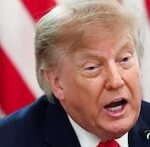
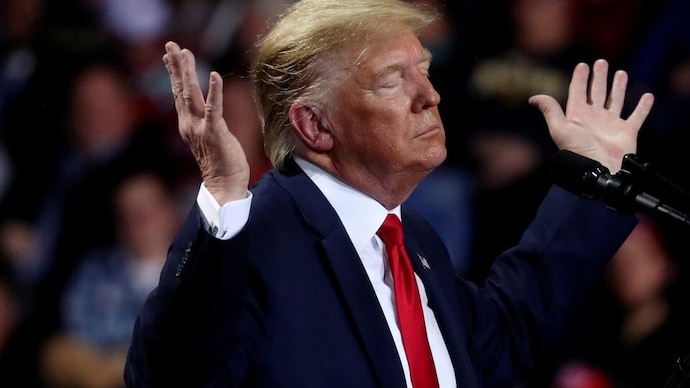
His remarks came as Trump told CNN that a resumption of hostilities with Iran was “highly unlikely” though he warned that the situation would depend on whether Tehran agreed to what he described as a very strong agreement with Washington.
The US president, who is scheduled to meet Qatar’s Prime Minister, Sheikh Mohammed bin Abdulrahman Al Thani, at the White House, said Washington could resort to further military action if necessary but insisted that American strikes had already inflicted significant damage on Iran.
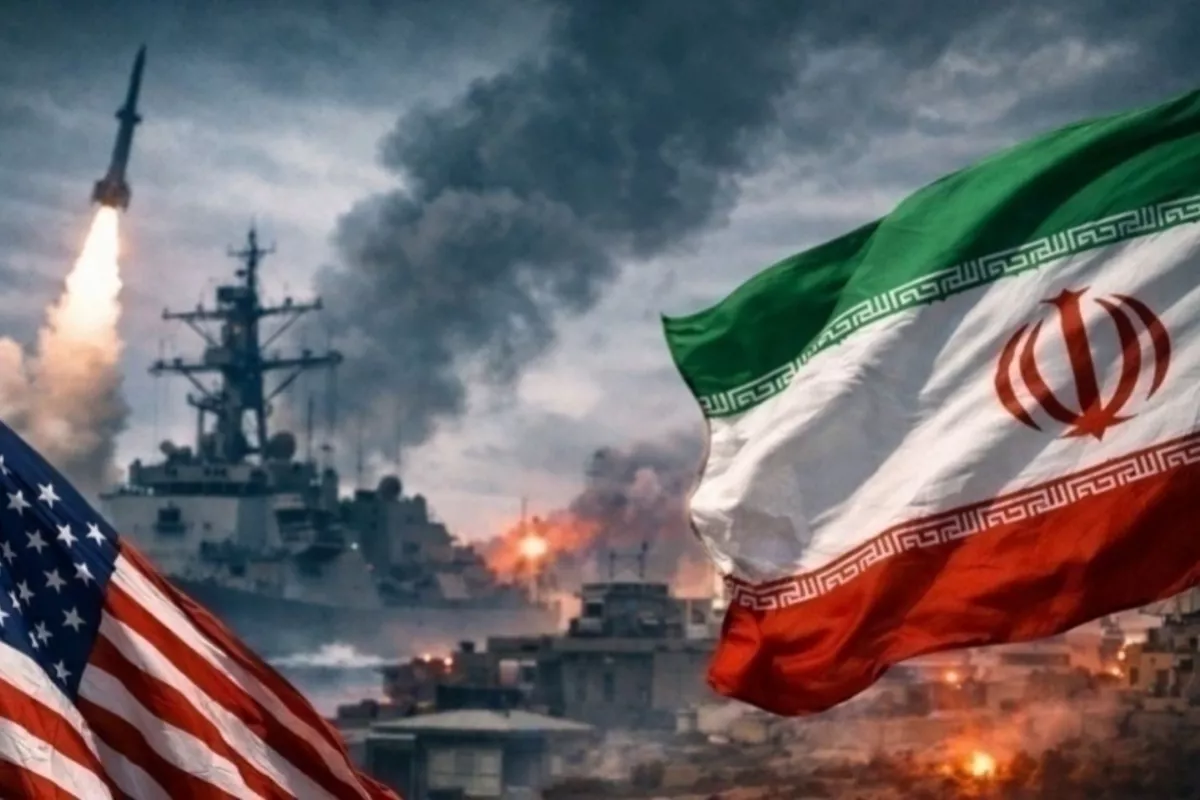
The conflict, which began on February 28 following US and Israeli attacks on Iran, has triggered retaliatory strikes across the Gulf region, heightened tensions around the Strait of Hormuz and disrupted a critical route for global energy supplies.
Although large-scale fighting has largely subsided, tensions remain high, with Iran continuing efforts to restrict shipping through the strategic waterway and the US Navy maintaining a counterblockade of Iranian ports.
Meanwhile, diplomatic efforts involving regional mediators, including Qatar and Pakistan, have continued but Iranian Foreign Minister Abbas Araghchi suggested that negotiations had temporarily stalled following the outcome of the US midterm elections.
Gargash expressed hope that the political developments in Washington would strengthen diplomatic efforts towards ending the conflict.
“Perhaps it is too early to assess the impact of the US midterm elections on Washington’s approach towards Iran, but we remain hopeful that the outcome will reinforce efforts to pursue diplomatic solutions that ensure lasting peace and stability in the Gulf,” he said.
The UAE diplomatic adviser also criticised what he described as inadequate solidarity among Gulf states during the crisis, arguing that the region needed to rebuild trust and strengthen collective security arrangements.
He, however, maintained that differences among neighbouring countries should not prevent cooperation, insisting that Iran and Gulf states shared an interest in avoiding a permanent confrontation.
“Dialogue isn’t a concession but a strategic necessity,” Gargash said, adding that future negotiations must produce a genuine change in behaviour rather than repeat the failures of previous engagements.