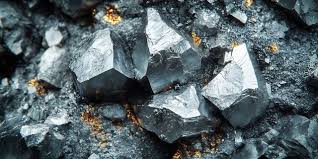
Lithium is at the heart of the global transition to cleaner energy, powering rechargeable batteries used in electric vehicles, smartphones, laptops and renewable energy storage systems.
As demand for the critical mineral rises, Africa—particularly the Sahel—is becoming increasingly important to global lithium supply. While Chile, Australia and China remain the leading producers, African production is expected to grow significantly in the coming years.
The Sahel, a semi-arid belt stretching across Africa between the Sahara Desert and the tropical savannas, contains promising lithium deposits, particularly in Nigeria and Mali. Exploration is also expanding in Niger, Burkina Faso and Chad.
More than 40,000 tonnes of lithium are currently mined from African rock annually for international markets, with production projected to reach about 500,000 tonnes by 2030. But the expansion is creating new opportunities not only for governments and investors, but also for armed groups and criminal networks.
A recent study examining Mali, Niger, Burkina Faso, Chad and Nigeria found that growing lithium industries are becoming increasingly entangled with existing conflicts, insurgency, cross-border smuggling and weak governance.
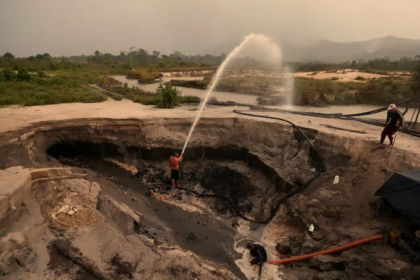
Armed groups, including Boko Haram and Islamic State West Africa Province, or ISWAP, can exploit poorly regulated mining operations to generate revenue and strengthen their activities. They can tax miners, control access to mining sites and charge traders and transporters moving minerals through areas under their influence.
Nigeria’s lithium industry is expanding rapidly but remains largely informal in some areas, leaving gaps that criminal networks can exploit. These groups can demand protection payments and infiltrate both legal and illegal supply chains.
In Mali, armed groups that have long profited from the country’s gold economy could apply similar taxation and extortion methods to lithium-producing areas. Continued conflict and weak state institutions increase the risk of such exploitation.
Burkina Faso also faces significant risks, as jihadist groups have exploited informal mining networks and limited government control in remote areas. In Niger, political instability and weakened border controls following the 2023 coup have increased concerns over mineral smuggling, with existing routes used for gold and weapons potentially being adapted for lithium.
Chad faces similar vulnerabilities. Weak governance, corruption and porous borders could facilitate illicit cross-border trade, creating opportunities for armed groups and criminal networks to enter the emerging lithium supply chain.
Africa’s history shows the danger of poorly governed natural resources. Diamonds helped finance civil wars in Sierra Leone and Angola, while gold has funded armed groups across parts of West Africa. Oil wealth has also contributed to corruption and political instability in countries including Nigeria, Angola and Libya.
However, lithium does not have to follow the same path. Where governments effectively regulate mining and maintain control over mineral supply chains, revenues can contribute to infrastructure, public services, employment and broader economic development.
Governments should therefore bring artisanal and small-scale miners into the formal economy through licensing, legal protections and transparent markets, while restoring state authority in mining regions. Regional organisations should also improve mineral-tracking systems, strengthen border controls and share intelligence on illicit trade.
African countries should further invest in domestic lithium processing rather than relying primarily on the export of raw ore. Greater local processing could create jobs, increase government revenues and allow African economies to capture more value from their mineral resources.
Africa’s lithium reserves could help power one of the defining technological transformations of the 21st century But without stronger governance, regulation and regional cooperation, the mineral could also become another source of conflict financing. Whether lithium becomes a driver of development or another resource exploited by armed groups will ultimately depend on how effectively governments manage the boom.