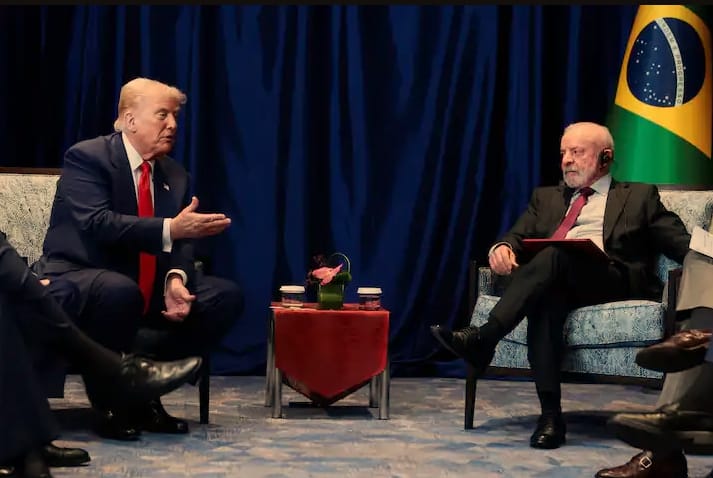
BRASÍLIA — Brazilian President Luiz Inácio Lula da Silva has urged United States President Donald Trump to resolve the ongoing trade dispute between the two countries, arguing that recently imposed US tariffs were based on unfounded allegations.
Lula made the appeal during a telephone conversation with Trump on Friday, in which he stressed that continued negotiations remained the best way to address the disagreement.
According to Brazil’s government, the 80-minute conversation was conducted in a “friendly and cordial tone.” Lula told Trump that the tariffs would negatively affect both Brazil and the United States and called for both sides to remain at the negotiating table.
Washington last month imposed a 25 per cent tariff on some Brazilian goods, alongside an additional 12.5 per cent levy linked to allegations of inadequate enforcement of bans on products associated with forced labour.
Lula rejected the grounds cited by the US for the measures, including concerns over deforestation, intellectual property, corruption, Brazil’s Pix instant payment system, ethanol and forced-labour-linked imports, describing the allegations as unfounded.
Trump, according to the Brazilian government, proposed that officials from both countries meet as soon as possible to advance negotiations. Following the presidential call, US Trade Representative Jamieson Greer contacted Brazil’s Minister of Development, Industry, Trade and Services, Márcio Elias Rosa, to arrange further talks.
Brazil has also begun seeking additional consultations with US trade authorities, a process that could eventually lead to reciprocal measures against Washington if the dispute remains unresolved.
The tariff dispute has added tension to relations between Lula and Trump ahead of Brazil’s October presidential election. Lula, who is seeking a fourth and final term, has made national sovereignty a major theme of his campaign, while Trump has openly supported right-wing political figures in Latin America.
Lula also reiterated Brazil’s willingness to cooperate with the United States in combating organised crime but rejected Washington’s classification of two Brazilian criminal groups as terrorist organisations, saying such gangs should not be equated with terrorism.