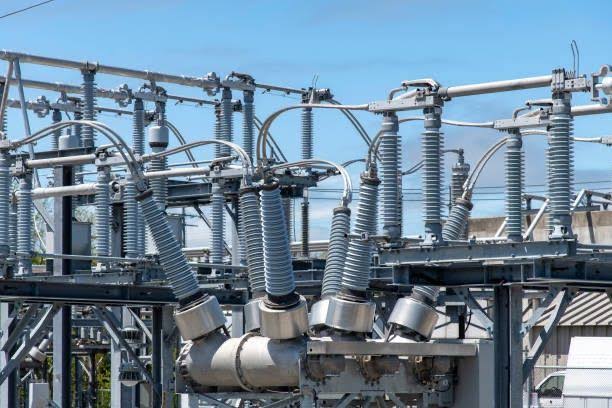
Nigeria’s worsening electricity crisis has taken another troubling dimension, with the Nigerian National Petroleum Company (NNPC) Limited and the Federal Ministry of Power offering explanations that raise fresh questions about accountability, competence and transparency within the Federal Government.
While Minister of Power, Joseph Tegbe, identified gas shortages at thermal power stations, maintenance challenges and reduced hydropower output as reasons for the latest electricity disruptions, the NNPC insists that its gas transportation network has no operational constraints responsible for the decline in generation.
The contradiction leaves Nigerians wondering: who is fooling whom? When two federal government institutions appear to disagree over a critical factor affecting electricity supply, which one should Nigerians believe, and who should take responsibility for getting the facts right?
The NNPC says its gas production has increased by approximately 10 per cent year-to-date in 2026, arguing that its transportation infrastructure remains available to support deliveries to power plants. However, it acknowledges that production, commercial supply arrangements and actual deliveries are separate issues that must be examined independently.
That distinction is important, but it does not settle the argument. If gas transportation is available, why are power stations reportedly struggling with inadequate gas supply? Is the problem with production, commercial agreements, payment obligations, actual deliveries or the generating companies themselves?
More importantly, why does the Ministry of Power appear unable to provide Nigerians with a clear, evidence-based explanation of where the breakdown is occurring?
The government cannot continue to offer fragmented explanations while electricity consumers endure worsening outages, spend heavily on alternative power and watch businesses struggle with rising operating costs. It is not enough to blame maintenance, gas shortages or transmission sabotage without identifying the responsible parties and presenting verifiable evidence.
The reported allocation of 2,926 megawatts to the 11 electricity distribution companies on November 5 further illustrates the scale of the challenge. Yet Nigerians are entitled to know how much electricity is actually generated, how much gas is delivered to power plants and where the failures occur between generation and distribution.
The Federal Government must therefore explain whether the Ministry of Power has adequate capacity to establish the facts surrounding the crisis or whether the NNPC is being sufficiently transparent about its contribution to the gas-to-power chain.
If the ministry’s assessment is correct, the NNPC should provide evidence to explain the supply constraints. If the NNPC’s position is correct, the ministry must identify the actual source of the problem rather than leave Nigerians with conflicting accounts.
The most of it is not issuing statements or announcing the recovery of abandoned electricity equipment from the ports. Nigerians need functioning power plants, dependable gas supply and a transmission network capable of delivering electricity consistently.
A government that cannot reconcile the explanations of its own institutions should not expect citizens to have confidence in its management of the electricity sector.
The question is no longer simply the reason for unstable electricity, it is whether those entrusted with keeping them on understand what is going wrong, are willing to tell Nigerians the truth and possess the competence to fix it.
Who is fooling whom? And how long must Nigerians continue to pay for the confusion, contradictions and failures of a government that cannot seem to speak with one voice on something as fundamental as electricity?